Why does my car vibrate when AC is on?
If your car runs smoothly with the air conditioning off but starts vibrating when the AC is turned on, you’re not alone. This is a common issue that can affect many vehicles, especially as they age.
A slight change in engine feel when the AC is engaged is normal because the air conditioning system places additional load on the engine. However, noticeable shaking, rough idling, or excessive vibration usually indicates an underlying problem that should be addressed.
The good news is that most causes are relatively easy to identify and repair.
How the Air Conditioning System Affects the Engine
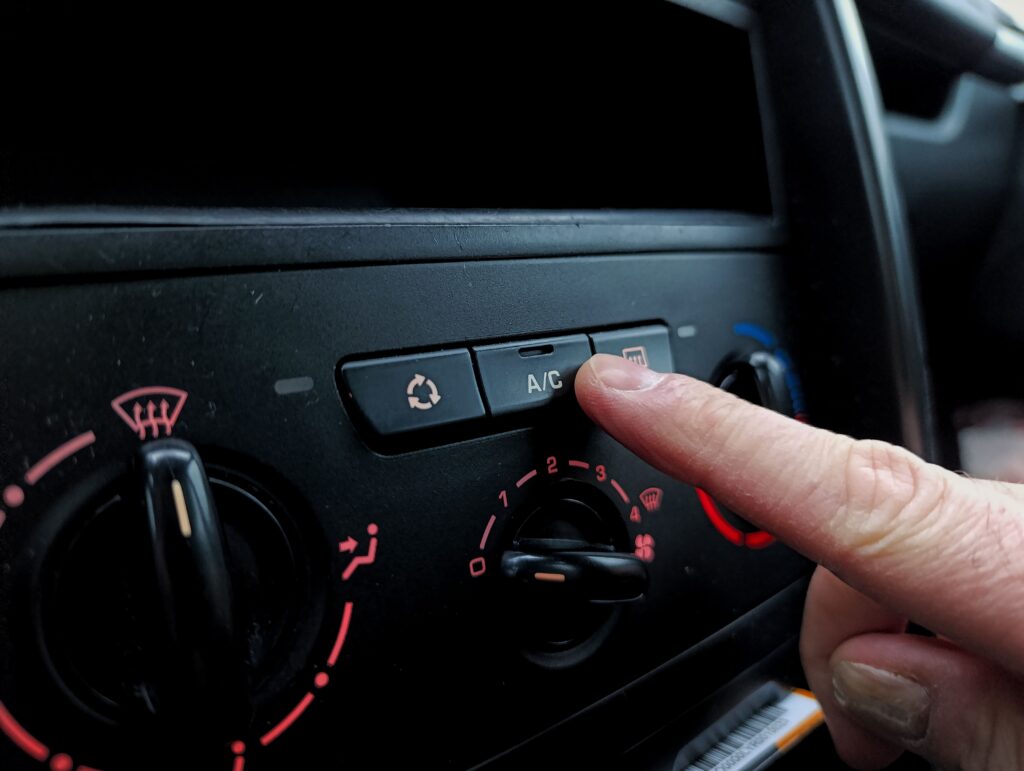
When you switch on the AC, the compressor engages and draws power from the engine.
To compensate, the engine control system slightly increases idle speed to maintain smooth operation. If something prevents the engine from handling this extra load, vibrations can occur.
This is why AC-related vibrations are often more noticeable when the vehicle is stopped or idling.
Dirty Throttle Body
One of the most common causes of vibration with the AC on is a dirty throttle body.
Over time, carbon deposits accumulate inside the throttle body, restricting airflow and making it harder for the engine to maintain a stable idle.
Symptoms
- Vibration only at idle
- Rough idle when AC is on
- Engine feels smoother while driving
Fix
Clean the throttle body and perform an idle relearn procedure if required.
Worn Engine Mounts
Engine mounts are designed to absorb vibrations and prevent engine movement from being felt inside the cabin.
When they wear out, normal engine vibrations become much more noticeable.
Symptoms
- Cabin shaking at idle
- Vibration increases when AC is turned on
- Engine movement when shifting gears
Fix
Replace damaged or collapsed engine mounts.
Weak Spark Plugs or Ignition Coils
The extra load created by the AC system can expose weaknesses in the ignition system.
Symptoms
- Rough idle
- Misfires when AC is running
- Reduced fuel economy
- Check engine light
Fix
Inspect and replace worn spark plugs or faulty ignition coils.
Faulty AC Compressor
The AC compressor itself may be the source of the vibration.
A worn compressor can create excessive resistance, forcing the engine to work harder than normal.
Symptoms
- Vibration begins immediately when AC engages
- Unusual noises from the engine bay
- AC performance decreases
Fix
Inspect the compressor and replace it if necessary.
Low Idle Speed
If the engine idle speed is already too low, engaging the AC can cause noticeable shaking.
Symptoms
- RPM drops when AC turns on
- Engine feels like it may stall
- Vibration at stoplights
Fix
Check for idle control issues, vacuum leaks, or throttle body contamination.
Vacuum Leaks
A vacuum leak can disrupt the air-fuel mixture and make the engine struggle under additional load.
Symptoms
- Rough idle
- Hissing sounds from the engine bay
- Engine vibration with AC on
- Increased fuel consumption
Fix
Inspect intake hoses and vacuum lines for leaks.
Fuel System Problems
The engine requires additional fuel when the AC compressor engages.
If fuel delivery is weak, vibrations may appear.
Symptoms
- Hesitation during acceleration
- Rough idle
- Intermittent shaking
Fix
Inspect fuel injectors, fuel filter, and fuel pressure.
Why Does the Vibration Disappear While Driving?
Many drivers notice that the vibration is strongest at idle but nearly disappears while moving.
This happens because:
- Engine RPM increases
- Engine load changes
- Combustion becomes more stable
- Vibrations become less noticeable at higher speeds
This often points to idle-related issues rather than major engine damage.
How to Diagnose AC-Related Vibrations
Check the following:
- Engine mounts
- Idle speed
- Throttle body cleanliness
- Spark plug condition
- AC compressor operation
- Fuel system performance
Observing whether the vibration occurs only at idle or during driving can help narrow down the cause.
When Should You Visit a Mechanic?
Seek professional diagnosis if:
- Vibrations become severe
- The engine misfires
- Warning lights appear
- The AC compressor makes unusual noises
- The vehicle feels like it may stall
Ignoring the issue can lead to increased wear on engine and AC components.
How to Prevent Vibrations When Using the AC
- Replace spark plugs on schedule
- Clean the throttle body periodically
- Inspect engine mounts regularly
- Service the AC system when needed
- Fix vacuum leaks promptly
- Maintain the fuel system
Regular maintenance helps the engine handle AC load smoothly.
FAQ
Is it normal for a car to vibrate slightly when the AC is on?
Yes. A small increase in vibration is normal because the AC compressor adds load to the engine.
Why does my car shake only when idling with the AC on?
This is often caused by dirty throttle bodies, worn engine mounts, or weak ignition components.
Can a bad AC compressor cause engine vibration?
Yes. A failing compressor can create excessive drag and increase engine vibration.
Why does the vibration disappear while driving?
Higher engine speeds help smooth out vibrations and reduce the effect of additional AC load.
Can worn engine mounts cause AC-related shaking?
Yes. Bad engine mounts are one of the most common causes of noticeable cabin vibration.
Should I keep driving if my car vibrates when the AC is on?
Minor vibration may not be serious, but significant shaking should be inspected to prevent further damage.
Conclusion
If your car vibrates when the AC is on, the issue is usually related to idle quality, engine mounts, ignition components, airflow problems, or the AC compressor itself. While a slight increase in vibration is normal, excessive shaking is not.
Identifying the cause early can improve comfort, protect engine components, and ensure the air conditioning system continues to operate efficiently.