Why does my car vibrate at high speed?
Why Does My Car Vibrate at High Speed? Causes, Diagnosis, and Solutions
Few driving issues are as frustrating as a vehicle that begins to vibrate or shake at high speeds. The problem may start subtly at 50 mph (80 km/h) and become increasingly noticeable as speed increases. While some vibrations are merely uncomfortable, others can indicate serious mechanical issues that affect safety, handling, and vehicle longevity.
Understanding why your car vibrates at high speed can help you identify the root cause early, prevent expensive repairs, and maintain a smoother, safer driving experience.
In this guide, we’ll explore the most common causes of high-speed vehicle vibrations, how to diagnose them, and what repairs may be necessary.
Understanding High-Speed Vehicle Vibrations
A car consists of thousands of moving parts working together. When one component becomes worn, damaged, misaligned, or unbalanced, vibrations can develop and become more noticeable as speed increases.
The location and behavior of the vibration often provide valuable clues:
- Steering wheel vibration usually points to front-wheel or suspension issues.
- Seat vibration often indicates rear-wheel problems.
- Whole-vehicle vibration may suggest drivetrain or tire-related faults.
- Vibrations during acceleration may indicate powertrain issues.
Identifying when and where the vibration occurs is the first step toward an accurate diagnosis.
Unbalanced Tires
One of the most common causes of high-speed vibration is tire imbalance.
Tires and wheels must be balanced to ensure weight is distributed evenly around the wheel assembly. Even a small imbalance can create noticeable shaking at highway speeds.
Symptoms of Unbalanced Tires
- Vibration starts around 50–70 mph (80–110 km/h).
- Steering wheel shakes.
- Vibration becomes worse as speed increases.
- Uneven tire wear may develop over time.
Why It Happens
Wheel weights can fall off over time, or tires may wear unevenly. Hitting potholes and curbs can also affect wheel balance.
Solution
A professional wheel balancing service can usually resolve the issue quickly and at relatively low cost.
Bent or Damaged Wheels
Road hazards can cause wheels to bend or deform.
Even minor wheel damage can disrupt rotation and generate vibrations at higher speeds.
Common Causes
- Potholes
- Curbs
- Road debris
- Accident damage
Symptoms
- Persistent vibration despite balancing.
- Visible wheel damage.
- Air pressure loss in severe cases.
Solution
Damaged wheels may require straightening by a specialist or complete replacement.
Uneven Tire Wear
Tires that wear unevenly often create vibrations and handling problems.
Several issues can cause abnormal tire wear:
- Improper wheel alignment
- Worn suspension components
- Incorrect tire pressure
- Lack of tire rotation
Types of Tire Wear
Cupping
Cupped tires develop alternating high and low spots on the tread, often caused by worn shocks or struts.
Feathering
Feathered tread edges usually indicate alignment problems.
Flat Spots
Flat spots can occur when a vehicle sits unused for extended periods or during hard braking events.
Solution
Inspect tires regularly and replace severely worn tires.
Wheel Alignment Problems
Proper wheel alignment ensures tires point in the correct direction and maintain optimal contact with the road.
When alignment is incorrect, vibrations and instability can occur.
Symptoms
- Vehicle pulls to one side.
- Uneven tire wear.
- Steering wheel off-center.
- Reduced handling performance.
Causes
- Hitting potholes.
- Suspension repairs.
- Normal wear and tear.
Solution
A professional alignment service restores proper wheel angles and improves ride quality.
Worn Suspension Components
Your suspension system absorbs road impacts and maintains tire contact with the road surface.
Worn suspension components can cause vibrations, especially at higher speeds.
Common Problem Components
- Ball joints
- Tie rod ends
- Control arm bushings
- Shock absorbers
- Struts
Symptoms
- Excessive bouncing.
- Loose steering feel.
- Uneven tire wear.
- High-speed instability.
Solution
A thorough suspension inspection can identify worn components requiring replacement.
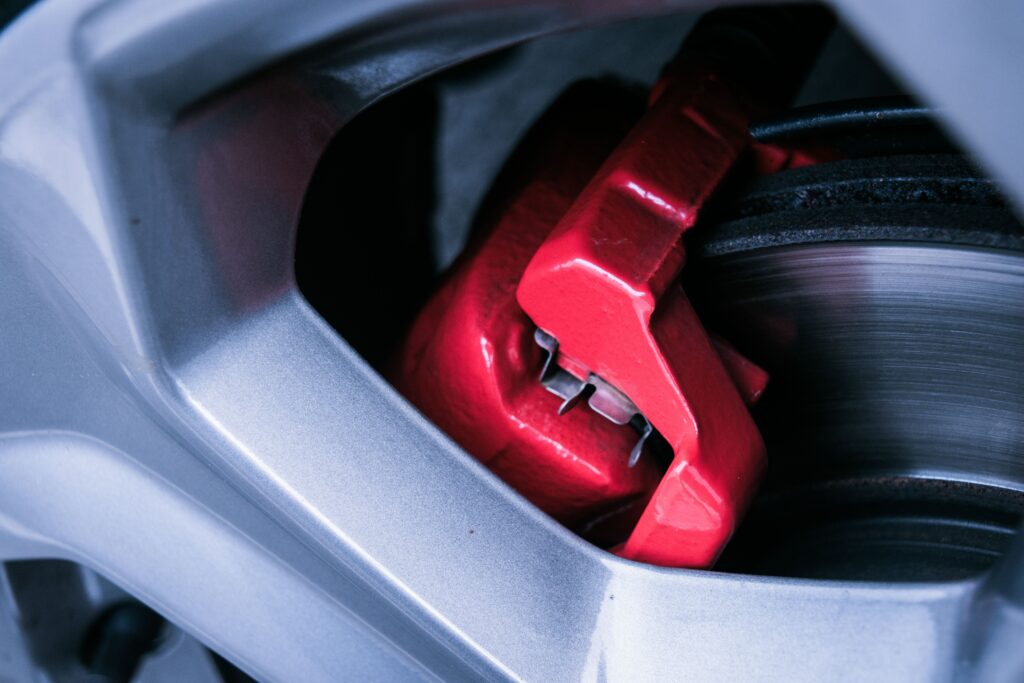
Brake Rotor Issues
Although brake-related vibrations are most noticeable during braking, severely warped brake rotors can sometimes cause vibration even while cruising.
Symptoms
- Steering wheel shake during braking.
- Pulsating brake pedal.
- Vibration increases when brakes are applied.
Causes
- Overheated brake rotors.
- Uneven rotor wear.
- Poor-quality replacement parts.
Solution
Resurfacing or replacing brake rotors typically resolves the problem.
Drivetrain Problems
The drivetrain transfers power from the engine to the wheels.
When drivetrain components become worn or damaged, vibrations may occur at specific speeds.
Possible Causes
CV Joint Wear
Constant Velocity (CV) joints allow smooth power delivery during steering and suspension movement.
Symptoms include:
- Clicking sounds during turns.
- Vibration under acceleration.
Driveshaft Imbalance
Rear-wheel-drive and all-wheel-drive vehicles rely on driveshafts that must remain balanced.
Symptoms include:
- Floor vibration.
- Whole-vehicle shaking at higher speeds.
Universal Joint Wear
Worn U-joints can create vibration and drivetrain noise.
Solution
Prompt inspection and replacement of worn drivetrain components are recommended.
Engine and Transmission Mount Problems
Engine and transmission mounts secure major powertrain components while isolating vibrations.
When mounts deteriorate, normal engine vibrations can transfer directly into the vehicle cabin.
Symptoms
- Increased vibration at idle.
- Shaking during acceleration.
- Clunking sounds during gear changes.
Causes
- Age-related rubber deterioration.
- Fluid contamination.
- Excessive engine movement.
Solution
Replacing damaged mounts restores smooth operation.
Tire Pressure Issues
Incorrect tire pressure affects handling, tire wear, and ride comfort.
Underinflated or overinflated tires can contribute to vibration problems.
Why Tire Pressure Matters
Improper inflation can cause:
- Uneven tire wear.
- Reduced stability.
- Increased rolling resistance.
- Excessive vibration.
Solution
Check tire pressure monthly and follow manufacturer specifications.
Wheel Bearing Failure
Wheel bearings allow wheels to rotate smoothly with minimal friction.
As bearings wear, vibrations and noise can develop.
Symptoms
- Humming or growling noise.
- Vibration that changes with speed.
- Steering instability.
Risks
Ignoring a failing wheel bearing can eventually lead to wheel damage or safety hazards.
Solution
Replace worn bearings as soon as possible.
When Should You Be Concerned?
Some minor vibrations may simply result from tire balance issues, but others can indicate serious mechanical faults.
Seek professional inspection if:
- Vibrations worsen over time.
- Steering becomes unstable.
- Unusual noises accompany the vibration.
- Tire wear appears abnormal.
- The vehicle feels unsafe at highway speeds.
Addressing the problem early often prevents more expensive repairs later.
How Mechanics Diagnose High-Speed Vibrations
Professional technicians typically follow a systematic process:
- Road test the vehicle.
- Inspect tires and wheels.
- Check wheel balance.
- Measure wheel alignment.
- Examine suspension components.
- Inspect drivetrain parts.
- Evaluate wheel bearings.
- Test brake system components.
This step-by-step approach helps isolate the exact cause rather than replacing parts unnecessarily.
Preventing Future Vibrations
Routine maintenance significantly reduces the likelihood of vibration problems.
Recommended Practices
- Rotate tires regularly.
- Maintain proper tire pressure.
- Perform wheel alignments when needed.
- Replace worn suspension parts promptly.
- Avoid potholes whenever possible.
- Inspect tires for damage frequently.
- Balance wheels whenever new tires are installed.
Preventive maintenance not only improves comfort but also extends tire and suspension life.
Conclusion
High-speed vehicle vibrations are often caused by tire, wheel, suspension, alignment, or drivetrain problems. While some issues are relatively simple and inexpensive to repair, others can affect safety and lead to costly damage if ignored.
The key is identifying the source of the vibration early. Paying attention to when the vibration occurs, where it is felt, and whether it changes during acceleration or braking can help narrow down the cause.
A smooth-running vehicle should remain stable and comfortable at all legal highway speeds. If your car vibrates at high speed, timely inspection and repair can restore performance, improve safety, and prevent more serious mechanical issues from developing.
Frequently Asked Questions (FAQ)
Why does my car vibrate only at highway speeds?
Highway-speed vibrations are most commonly caused by unbalanced tires, wheel alignment issues, bent wheels, or tire wear problems that become more noticeable as rotational speed increases.
Can unbalanced tires cause steering wheel vibration?
Yes. Unbalanced front tires frequently cause steering wheel shake, especially between 50 and 80 mph (80–130 km/h).
Is it safe to drive a car that vibrates at high speed?
It depends on the cause. Minor tire imbalance may not be immediately dangerous, but suspension, wheel bearing, or drivetrain issues should be inspected promptly for safety reasons.
Why does my car vibrate when accelerating?
Vibrations during acceleration often indicate drivetrain problems such as worn CV joints, damaged driveshafts, failing U-joints, or deteriorated engine mounts.
Can wheel alignment cause vibration?
Yes. Poor alignment can lead to uneven tire wear, which eventually creates vibrations and handling problems.
How much does it cost to fix high-speed vibrations?
Costs vary depending on the cause. Tire balancing is typically inexpensive, while suspension, drivetrain, or wheel repairs may be significantly more costly.
Can bad wheel bearings cause vibration?
Yes. Worn wheel bearings often create vibration, humming noises, and handling instability that worsen with vehicle speed.
Will new tires fix vehicle vibration?
Only if the tires are the source of the problem. Other issues such as wheel damage, suspension wear, or drivetrain faults will still require repair.