Why is my car making grinding noise when braking?
Why Is My Car Making a Grinding Noise When Braking? Causes, Risks, and Solutions
A grinding noise when braking is one of the most alarming sounds a driver can hear. Unlike minor squeaks or occasional brake noises, grinding typically indicates a mechanical issue that requires immediate attention. Ignoring the problem can lead to reduced braking performance, expensive repairs, and even dangerous driving conditions.
If your car makes a grinding noise when you press the brake pedal, understanding the possible causes can help you determine the severity of the problem and take the appropriate action before further damage occurs.
This guide explains the most common reasons for brake grinding noises, how to diagnose them, and the steps needed to restore safe braking performance.
Why Grinding Brake Noises Should Never Be Ignored
Your braking system is one of the most important safety components of your vehicle.
Modern brake systems are designed to operate quietly and efficiently. When grinding sounds occur, they usually indicate excessive wear, damaged components, or contamination within the braking system.
A grinding noise often means metal parts are contacting other metal surfaces, which can quickly accelerate wear and increase repair costs.
The sooner the problem is diagnosed, the greater the chance of preventing additional damage.
Worn Brake Pads
The most common cause of grinding noises during braking is worn brake pads.
Brake pads contain friction material that presses against the brake rotor to slow the vehicle. Over time, this friction material wears down and eventually reaches a critical point.
How Brake Pad Wear Causes Grinding
Once the friction material is completely worn away, the metal backing plate of the brake pad begins contacting the brake rotor directly.
This metal-on-metal contact creates a loud grinding sound every time the brakes are applied.
Common Symptoms
- Grinding noise when braking.
- Reduced braking performance.
- Increased stopping distance.
- Visible thin brake pads.
- Brake warning indicators in some vehicles.
Solution
Replace brake pads immediately to prevent further damage to the rotors.
Damaged Brake Rotors
Brake rotors provide the surface against which the brake pads create friction.
When rotors become severely worn, scored, cracked, or warped, grinding noises may develop.
Causes of Rotor Damage
- Delayed brake pad replacement.
- Excessive heat buildup.
- Corrosion and rust.
- Poor-quality brake components.
Symptoms
- Grinding sounds.
- Brake pedal pulsation.
- Steering wheel vibration during braking.
- Uneven braking performance.
Solution
Depending on the condition, rotors may require resurfacing or replacement.
Debris Trapped Between Rotor and Brake Shield
Sometimes grinding noises are not caused by worn brake components at all.
Small rocks, road debris, or other foreign objects can become lodged between the rotor and the brake dust shield.
Symptoms
- Sudden grinding noise.
- Noise may occur even when not braking.
- Sound often changes while turning.
Solution
A mechanic can inspect and remove trapped debris quickly and inexpensively.
Rust and Corrosion on Brake Components
Vehicles exposed to moisture, road salt, or extended periods of inactivity can develop rust on brake components.
Light surface rust is usually harmless and disappears after a few braking cycles.
However, excessive corrosion can create grinding noises and reduce braking efficiency.
Common Causes
- Long-term vehicle storage.
- Humid climates.
- Winter road salt exposure.
- Infrequent driving.
Symptoms
- Grinding or scraping sounds.
- Visible rust on rotors.
- Rough braking feel.
Solution
Severe corrosion may require replacement of affected brake components.
Worn Brake Calipers
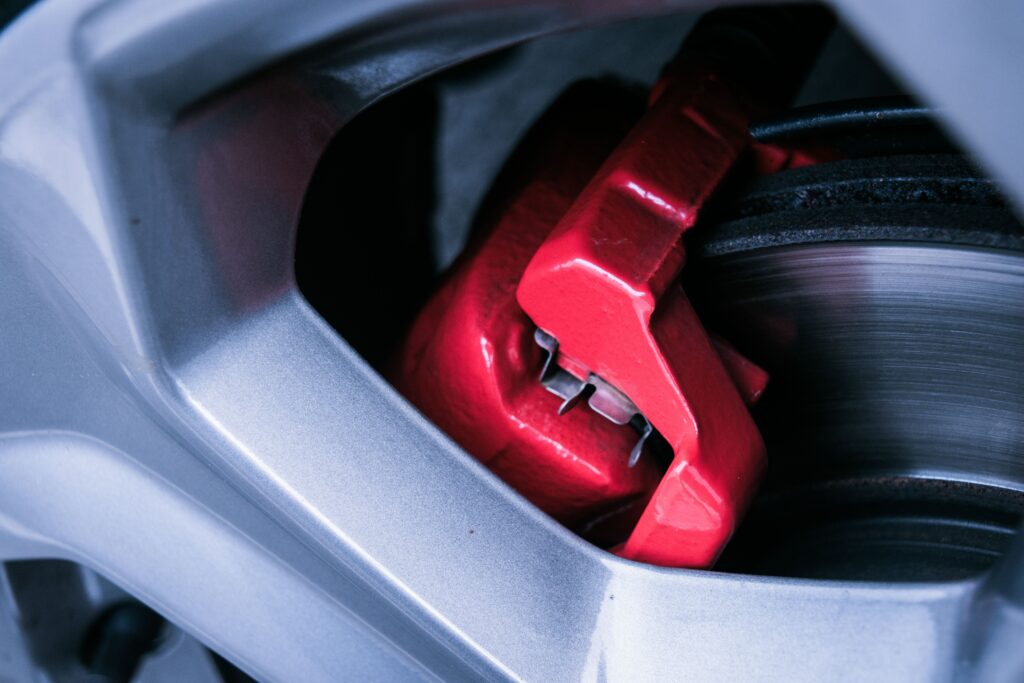
Brake calipers apply pressure to the brake pads during braking.
If calipers become damaged or seize, uneven brake pad wear can occur, leading to grinding noises.
Signs of Caliper Problems
- Vehicle pulling to one side.
- Uneven brake pad wear.
- Burning smell near wheels.
- Grinding or dragging noises.
Causes
- Corrosion.
- Sticking caliper pistons.
- Damaged guide pins.
Solution
Repair or replace defective calipers to restore proper brake function.
Brake Pad Wear Indicators
Many modern brake pads include built-in wear indicators.
These small metal tabs are designed to create noise before the pads become dangerously worn.
What They Sound Like
Wear indicators often produce:
- Squealing.
- Scraping.
- Light grinding sounds.
The purpose is to warn drivers that brake service is needed soon.
Solution
Schedule a brake inspection before the pads wear completely through.
Low-Quality Brake Parts
Not all brake components are manufactured to the same standards.
Low-quality pads and rotors may generate excessive noise even when relatively new.
Common Problems
- Poor friction materials.
- Excessive dust production.
- Uneven wear patterns.
- Increased vibration and noise.
Solution
Use reputable brake component manufacturers whenever possible.
Rear Drum Brake Issues
Vehicles equipped with rear drum brakes may develop grinding noises due to worn brake shoes or damaged internal hardware.
Potential Causes
- Worn brake shoes.
- Broken springs.
- Damaged wheel cylinders.
- Excessive drum wear.
Symptoms
- Grinding from rear wheels.
- Reduced braking performance.
- Parking brake issues.
Solution
Inspect and service drum brake components as needed.
Wheel Bearing Problems Mistaken for Brake Noise
Sometimes a noise that seems related to braking actually originates from a failing wheel bearing.
A worn wheel bearing can produce grinding, humming, or growling sounds that change with speed and steering angle.
Signs of Wheel Bearing Failure
- Noise increases with vehicle speed.
- Grinding while turning.
- Vibration through the steering wheel.
- Uneven tire wear.
Solution
Replace worn wheel bearings promptly to prevent further damage.
Grinding Noise Immediately After New Brake Installation
Occasionally drivers notice grinding or scraping sounds after brake service.
Possible causes include:
- Improper installation.
- Incorrect brake components.
- Rotor surface contamination.
- Temporary bedding-in process.
When to Be Concerned
A slight noise during the initial break-in period may be normal.
However, persistent grinding should be inspected immediately.
How Mechanics Diagnose Brake Grinding Noises
Professional technicians typically follow a structured inspection process.
Common Diagnostic Steps
- Inspect brake pads.
- Measure rotor thickness.
- Examine rotor condition.
- Check brake caliper operation.
- Inspect wheel bearings.
- Test-drive the vehicle.
- Examine drum brakes if equipped.
- Check for debris and contamination.
This systematic approach ensures the true cause is identified accurately.
Can You Continue Driving With Grinding Brakes?
In most cases, driving with grinding brakes is not recommended.
The longer the problem persists, the greater the risk of:
- Rotor damage.
- Reduced braking performance.
- Brake system failure.
- Increased repair costs.
If grinding occurs consistently when braking, schedule an inspection as soon as possible.
Preventing Brake Grinding Problems
Routine maintenance is the best defense against brake issues.
Recommended Maintenance Practices
- Inspect brakes regularly.
- Replace brake pads before they wear out.
- Service brake components according to manufacturer recommendations.
- Avoid aggressive braking whenever possible.
- Address unusual noises immediately.
- Use high-quality replacement parts.
Preventive maintenance helps ensure reliable braking performance and lower long-term repair costs.
Conclusion
A grinding noise when braking is usually a warning sign that should never be ignored. The most common causes include worn brake pads, damaged rotors, stuck calipers, corrosion, or debris trapped within the braking system.
Because brakes are critical to vehicle safety, prompt diagnosis and repair are essential. In many cases, early intervention can prevent extensive damage and significantly reduce repair costs.
If your vehicle produces a grinding sound whenever you apply the brakes, arrange for an inspection as soon as possible to restore safe and reliable braking performance.
Frequently Asked Questions (FAQ)
Why does my car make a grinding noise only when braking?
The most common cause is worn brake pads that have reached the metal backing plate, causing metal-to-metal contact with the brake rotor.
Is it safe to drive with grinding brakes?
No. Grinding brakes often indicate significant wear or damage and can reduce braking effectiveness.
Can low brake fluid cause grinding noises?
Low brake fluid usually affects brake performance and warning lights rather than causing grinding noises directly.
How much does it cost to fix grinding brakes?
Costs vary depending on the cause. Replacing brake pads is generally less expensive than replacing pads, rotors, and calipers together.
Why do my new brakes make a grinding noise?
Improper installation, contaminated components, or incorrect brake parts can cause grinding after brake service.
Can a bad wheel bearing sound like brake grinding?
Yes. Failing wheel bearings can produce grinding or growling noises that are sometimes mistaken for brake problems.
How long can I drive with grinding brakes?
It is not recommended to continue driving. Immediate inspection can prevent more serious damage and improve safety.
Will replacing brake pads stop the grinding noise?
If worn brake pads are the cause, replacing them will usually eliminate the noise. However, damaged rotors may also need replacement.