Why does my transmission fail randomly?
Why Does My Transmission Fail Randomly? The Hidden Solenoid Symptoms Explained
There is nothing more frustrating than a car problem that plays hide-and-seek. You’re driving down the highway, and suddenly, your transmission slips, refuses to upshift, or drops into “limp mode.” You pull over, turn the engine off, restart it, and like magic—it runs perfectly fine again for the next three days.
When a transmission acts up randomly, many drivers immediately fear the worst: a multi-thousand-dollar total transmission rebuild.
However, intermittent transmission failure rarely means the mechanical gears are physically shredded. Instead, the culprit is often much smaller, highly specialized, and deeply tied to your vehicle’s brain. Welcome to the world of failing shift solenoids.
What is a Transmission Solenoid, and Why Does it Cause “Random” Issues?
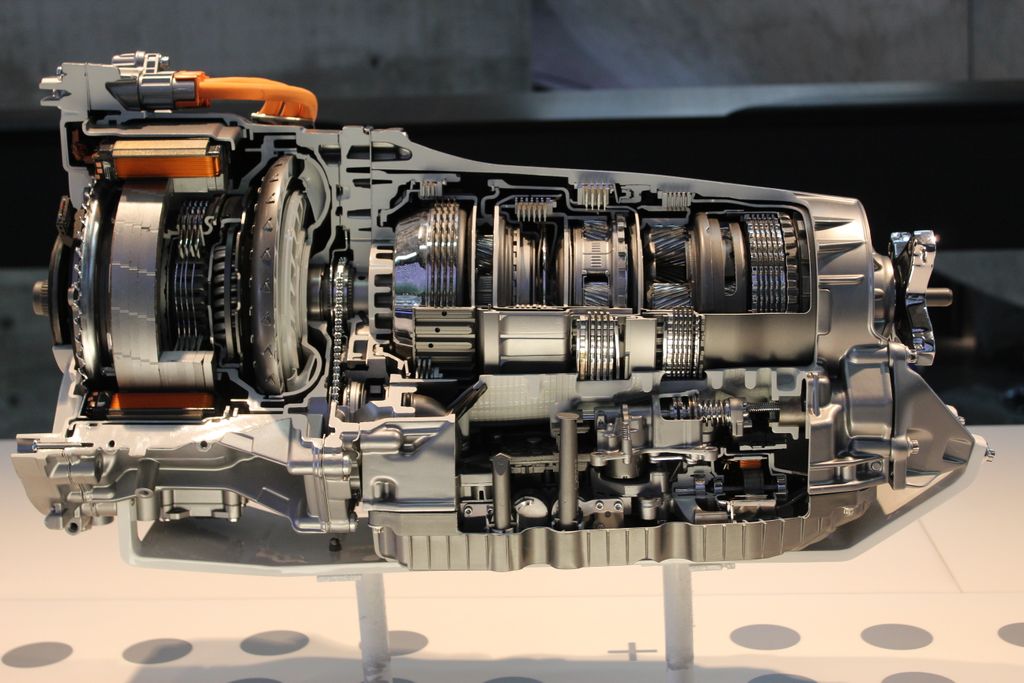
Think of your automatic transmission as a complex network of hydraulic plumbing. To change gears, transmission fluid must be directed into specific channels under precise pressure.
The transmission shift solenoids are the electronic valves responsible for opening and closing these fluid channels. When your car’s computer (TCM) decides it’s time to shift from 2nd to 3rd gear, it sends an electrical current to the corresponding solenoid. The solenoid opens, fluid flows, and the gear changes.
If a solenoid fails completely, your transmission stops working consistently. But when a solenoid is beginning to fail, it creates erratic, unpredictable, and seemingly random symptoms.
The Anatomy of an Intermittent Solenoid Failure
Why does the failure seem so random? It usually comes down to three environmental triggers:
1. The Heat Factor (Thermal Expansion)
Electrical components hate heat. A shift solenoid contains a tiny electromagnetic coil. As you drive, your transmission fluid heats up. If the internal wiring of the solenoid is slightly degraded, the high heat causes the metal components to expand, breaking the electrical connection or causing the valve to stick open. Once the car cools down or sits overnight, the metal contracts, the connection re-establishes, and the transmission works perfectly again.
2. Electronic Glitches & Voltage Drops
Solenoids rely on exact voltage from the Transmission Control Module (TCM). If there is a slight corroded pin in a wiring harness, or if your car’s battery voltage dips momentarily, a solenoid might fail to actuate just once. To you, it feels like a random mechanical slam or slip, but it was actually a temporary loss of electronic communication.
3. Debris and Dirty Fluid
Transmission fluid cleans, cools, and lubricates. Over time, microscopic metal shavings and friction material accumulate in the fluid. If a tiny piece of debris gets lodged inside a solenoid valve, it will stick. If a sudden pressure surge flushes that debris out a minute later, the transmission returns to normal. This creates a deeply confusing, intermittent failure pattern.
3 Classic Signs Your “Random” Failure is Actually a Bad Solenoid
If you are experiencing random transmission issues, look closely for these specific solenoid-related red flags:
- The Random “Limp Mode” Drop: Your car suddenly locks itself into 3rd gear to protect the transmission, limiting your speed. Turning the car off and back on resets the computer and temporarily “fixes” it.
- Unpredictable Gear Slipping: You step on the gas, the engine revs up high, but the car doesn’t accelerate. It happens out of nowhere, usually when trying to shift into a specific gear (like 3rd or Overdrive).
- Delayed Shifts Under Specific Conditions: The car shifts beautifully when cold in the morning, but hesitates, jerks, or hard-shifts after 30 minutes of stop-and-go traffic.
Diagnostics: How to Catch an Intermittent Solenoid
Because the problem comes and goes, taking it to a mechanic can be frustrating if the car behaves perfectly during the test drive. Here is how to handle it:
- Do Not Clear the Check Engine Light: Even if the light turns off on its own, the TCM often stores “Historical” or “Pending” OBD-II codes. Scan the car immediately. Look for codes ranging from P0750 to P0770 (which point directly to specific shift solenoids A, B, C, etc.).
- Check Fluid Level and Quality: Low fluid can starve solenoids of the hydraulic pressure they need to function. Dark, burnt fluid means debris is likely clogging the solenoid screens.
- Live Data Monitoring: A professional scan tool can monitor solenoid voltage and commanding states in real-time while driving to see exactly which valve drops out when the failure occurs.
The Bottom Line
A transmission that fails randomly is trying to tell you something before a total breakdown occurs. Before you let a shop convince you that you need a brand-new transmission, look into the electronic side of the system. Replacing a faulty shift solenoid pack or performing a thorough fluid flush to clean out stuck valves is a fraction of the cost of a full rebuild—and it’s often all it takes to get your smooth ride back.