Why do electrical systems fail after battery replacement?
Replacing a car battery is usually a simple maintenance task. However, some drivers are surprised to find that certain electrical systems stop working afterward. Power windows may stop functioning correctly, warning lights may appear, the radio may reset, or electronic features may behave unexpectedly.
In many cases, the battery itself is not the problem. Modern vehicles rely on dozens of electronic modules that store settings and communicate with each other. When battery power is disconnected, some systems may need to be reset, relearned, or recalibrated.
Understanding what happens after a battery replacement can help you identify the issue quickly and avoid unnecessary repairs.
Why Battery Replacement Can Affect Electronics
When the battery is disconnected, the vehicle temporarily loses power to many control modules.
Depending on the vehicle, this may cause:
- Loss of stored settings
- Reset of engine control adaptations
- Temporary warning lights
- Disabled convenience features
- Communication errors between modules
Most of these issues are normal and can often be resolved without replacing additional parts.
Loose or Poor Battery Connections
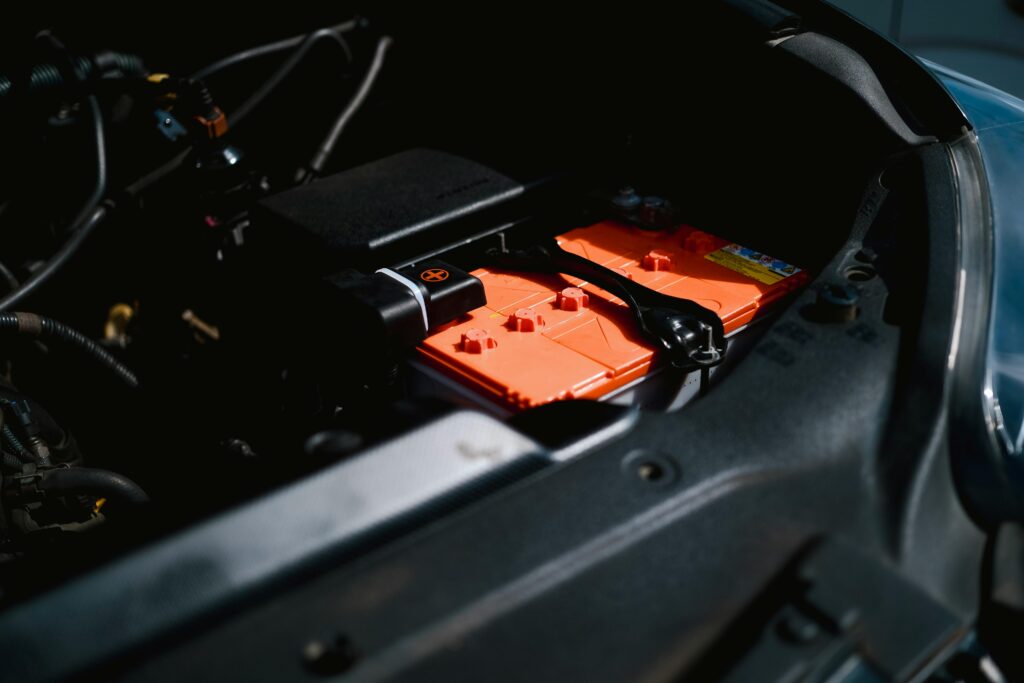
One of the most common causes of electrical problems after battery replacement is an improperly connected battery terminal.
Even a slightly loose connection can interrupt voltage flow and cause electronic systems to behave unpredictably.
Common Signs
- Flickering dashboard lights
- Intermittent electrical failures
- Vehicle struggles to start
- Random warning messages
Solution
Inspect both battery terminals and ensure they are clean, secure, and free from corrosion.
Blown Fuses During Installation
A fuse can sometimes blow during battery replacement, especially if a tool accidentally contacts metal components while the battery is being connected.
Possible Symptoms
- Radio not working
- Interior lights not functioning
- Power windows inoperative
- Certain accessories completely dead
Solution
Check the vehicle’s fuse box and replace any blown fuses with the correct rating.
Electronic Modules Need Relearning
Many modern vehicles use adaptive systems that learn driver habits and engine operating conditions.
After battery power is lost, these modules may temporarily forget stored information.
This can affect:
- Idle quality
- Transmission shift behavior
- Fuel economy calculations
- Automatic climate control settings
Solution
Drive the vehicle normally for several trips. Many systems automatically relearn their settings over time.
Power Windows and Sunroof Need Resetting
In many vehicles, automatic window and sunroof functions stop working after battery replacement.
This happens because the control module loses track of window positions.
Symptoms
- One-touch window function stops working
- Windows move inconsistently
- Sunroof loses automatic operation
Solution
Most vehicles allow recalibration by fully opening and closing the window while holding the switch for a few seconds.
Steering Angle Sensor Reset Issues
Vehicles equipped with electronic stability control rely on a steering angle sensor.
After battery replacement, the system may require recalibration.
Symptoms
- Stability control warning light
- Traction control warning light
- Steering-related alerts
Solution
Driving the vehicle for a short distance or performing a steering recalibration procedure often resolves the issue.
Low Voltage During Installation
If the replacement battery is weak, improperly charged, or not suitable for the vehicle, electrical systems may not operate correctly.
Symptoms
- Multiple warning lights
- Slow engine cranking
- Electronic malfunctions
- Battery warning messages
Solution
Verify battery voltage and ensure the battery meets manufacturer specifications.
Battery Registration Required
Some modern vehicles, particularly luxury and European models, require battery registration after replacement.
The vehicle’s control module needs to know that a new battery has been installed.
Symptoms
- Charging system warnings
- Battery performance issues
- Unusual electrical behavior
Solution
Use a diagnostic tool to register the new battery according to manufacturer requirements.
Damaged Ground Connections
The battery relies on grounding points to complete electrical circuits.
If a ground cable is loose or damaged during battery replacement, multiple electrical issues may occur.
Symptoms
- Intermittent electrical failures
- Starting problems
- Dashboard warning lights
Solution
Inspect ground cables and connection points for damage or looseness.
When Electrical Problems Require Professional Diagnosis
Some issues go beyond simple resets and may require diagnostic equipment.
Seek professional help if:
- Warning lights remain on for several days
- Multiple systems fail simultaneously
- The battery repeatedly drains
- Communication errors appear between modules
- The vehicle will not start properly
Modern vehicles contain complex networks of electronic modules that sometimes require specialized diagnostics.
How to Prevent Problems During Battery Replacement
To reduce the risk of electrical issues:
- Use the correct battery size and specification
- Disconnect and reconnect terminals properly
- Avoid short circuits during installation
- Inspect battery cables for corrosion
- Check fuses after installation
- Follow manufacturer battery registration procedures if required
Taking a few extra precautions can prevent many post-installation problems.
FAQ
Is it normal for warning lights to appear after replacing a battery?
Yes. Some warning lights may appear temporarily while vehicle systems recalibrate.
Why did my power windows stop working after battery replacement?
Many vehicles require window relearning after power loss.
Can a new battery cause electrical problems?
Yes, if it is defective, undercharged, incorrectly installed, or not compatible with the vehicle.
Why is my car idling differently after a battery replacement?
The engine control module may have lost its adaptive memory and needs time to relearn operating conditions.
Do modern cars need battery programming?
Some vehicles require battery registration or programming after installation, especially newer luxury models.
How long does it take for the car to relearn after a battery replacement?
Many systems begin adapting immediately and may fully relearn after several driving cycles.
Conclusion
Electrical problems after a battery replacement are often caused by resets, poor connections, blown fuses, or modules that need to relearn their settings. While these issues can seem alarming, many are temporary and can be resolved with basic checks.
If problems continue after several driving cycles, a proper diagnostic inspection can identify whether a sensor, module, or installation issue is responsible. In most cases, correcting the root cause restores normal operation without major repairs.