Why does my car shake when braking at high speed?
Why Does Your Car Shake When Braking at High Speed? A Comprehensive Guide
There are few things as unsettling as cruising down the highway and feeling your steering wheel or entire vehicle begin to vibrate the moment you apply the brakes. That rhythmic pulsing is more than just an annoyance; it is a clear message from your car that something in your braking or suspension system is compromised.
If you are experiencing shaking specifically at high speeds, here is a breakdown of the most common culprits.
1. Warped Brake Rotors (The Most Common Culprit)
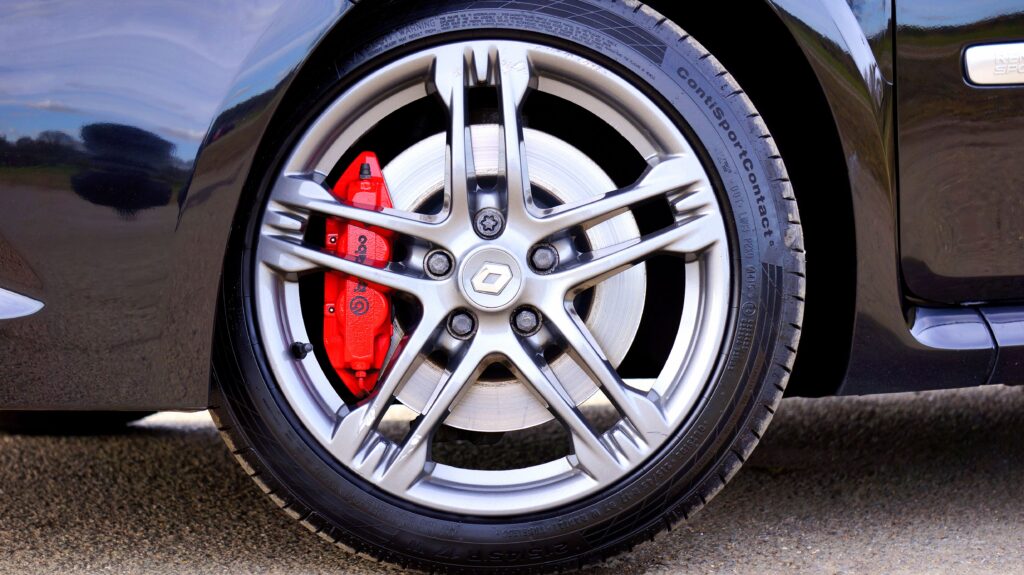
The primary cause of braking vibration is usually uneven wear on your brake rotors. Rotors are the heavy metal discs that your brake pads squeeze to slow the vehicle.
Over time, through cycles of intense heat and rapid cooling, a rotor can develop “thickness variation” or literal warping. When your brake pads grip a surface that isn’t perfectly flat, that high-speed friction causes the vibration you feel through the pedal. If the shaking is felt primarily in the steering wheel, it often points to the front rotors; if you feel it through the seat, it may be the rear rotors.
2. Stuck or Seized Brake Calipers
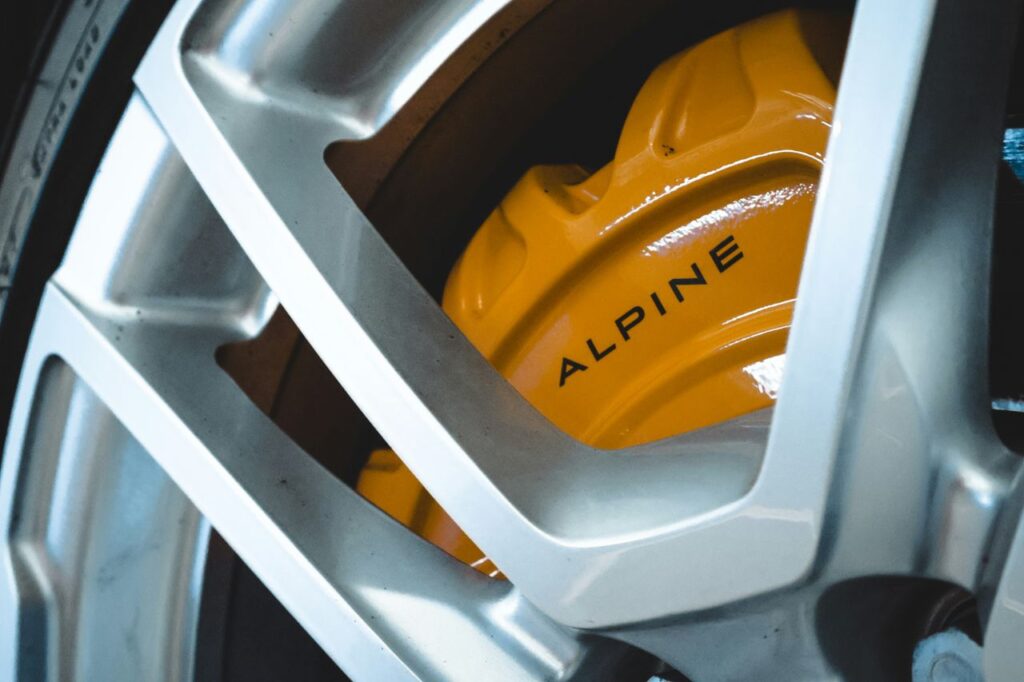
Your brake caliper is the housing that holds the brake pads and pushes them against the rotor. If a caliper becomes “stuck”—often due to rust or debris—it may not retract properly after you release the brake. This keeps the brake pad in constant contact with the rotor, causing the metal to overheat and warp. This leads to that familiar shaking sensation every time you hit the brakes at speed.
3. Worn-Out Suspension Components
Sometimes, the issue isn’t the brakes themselves, but rather the components designed to stabilize your wheels. If you have worn-out control arm bushings, ball joints, or tie rod ends, these parts can become “loose.”
While these parts don’t cause the vibration, they amplify any tiny imperfection in your braking system. At low speeds, you might not notice the slack, but at highway speeds, the increased force of braking makes a small amount of wear in your suspension feel like a significant mechanical failure.
4. Unevenly Worn Brake Pads
Brake pads need to wear evenly to provide a smooth, consistent bite. If they have become glazed (hardened due to excessive heat) or have worn unevenly due to a stuck caliper or improper installation, they can cause a grab-and-release effect when you slow down. This oscillation transfers directly into your steering and suspension.
5. Wheel Bearing Play
While less common than rotor issues, a failing wheel bearing can introduce “play” or wiggle room in the wheel assembly. Because the rotor is attached to the wheel hub, this movement can cause the rotor to sit at a slight, incorrect angle relative to the brake pads. When you apply pressure at high speeds, that misalignment manifests as a distinct vibration.
What Should You Do?
Don’t ignore it. Brake vibrations almost always worsen over time, which can lead to longer stopping distances or even mechanical failure.
- Perform a visual inspection: Check for uneven wear on the pads or deep grooves in the rotor surface.
- Check for heat: After a drive, be careful—if one wheel feels significantly hotter than the others, you likely have a seized caliper.
- Seek professional help: Because your braking system is your car’s most important safety feature, it is best to have a certified technician perform a run-out measurement on your rotors and inspect your suspension for play.
A smooth ride is a safe ride. If your car is shaking, it’s time to give it the attention it needs to keep you and your passengers secure on the road.