Why does my brake pedal vibrate?
There is nothing quite as unsettling as the feeling of your brake pedal pulsing or vibrating under your foot while you are trying to come to a stop. Beyond the sheer annoyance, it is a clear signal from your car that something in the braking system is not operating as it should.
Whether you feel a subtle shudder or a violent shake through the pedal, ignoring it is never a safe option. Let’s break down the most common culprits behind this mechanical feedback.
1. Warped Brake Rotors (The Most Common Cause)
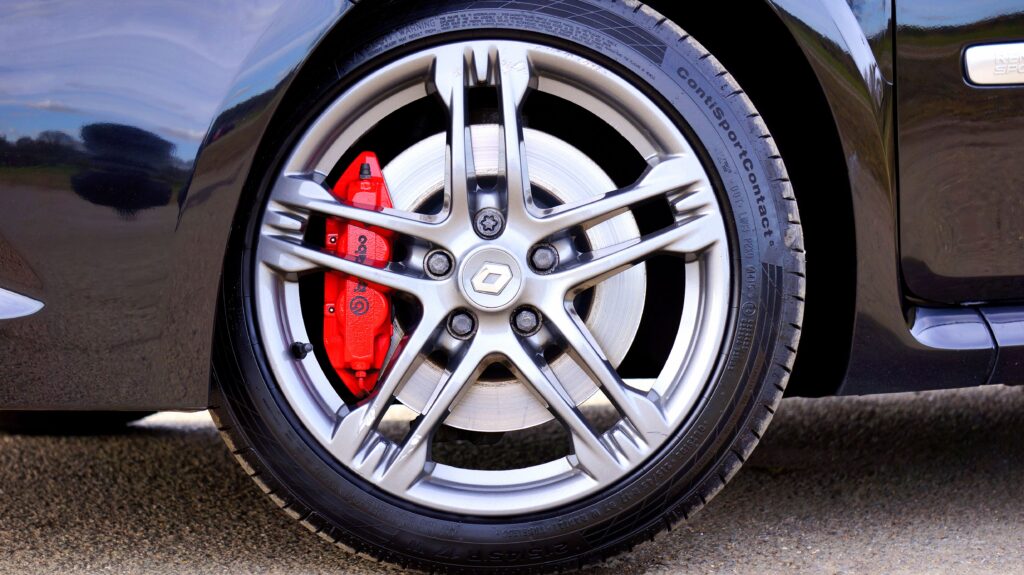
The most frequent cause of a vibrating brake pedal is unevenly worn or “warped” brake rotors. Brake rotors are the circular metal discs that the brake pads squeeze to stop the vehicle.
Over time, excessive heat—often caused by aggressive braking, driving down steep mountains while riding the brakes, or improper installation—can cause the metal to deform or develop “hot spots.” When your brake pads grip a surface that isn’t perfectly flat, the uneven contact transmits a vibration directly through the brake calipers and into the pedal.
2. Uneven Brake Pad Deposits
Sometimes, the issue isn’t the rotor itself, but the brake pad material. If you stop abruptly and hold the brake pedal firmly while the rotors are extremely hot, a layer of brake pad material can unevenly transfer onto the rotor surface. This creates a “sticky” spot on the disc. Every time the brake pad passes over this built-up material, you will feel a pulse in the pedal, mimicking the sensation of a warped rotor.
3. Stuck or Seized Calipers
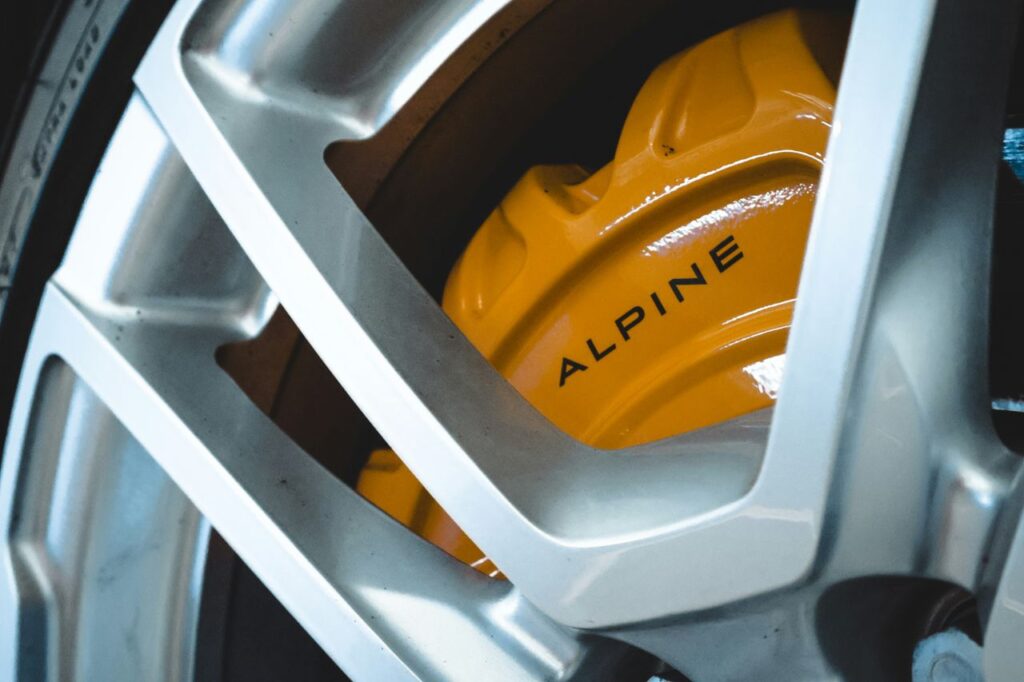
Your brake calipers are responsible for housing the pads and applying the necessary pressure to the rotors. If a caliper slide pin becomes rusted or seized, the caliper may not be able to retract properly or apply pressure evenly. This can cause the brake pads to drag against the rotor, leading to overheating and premature wear, which inevitably causes vibration.
4. Loose or Worn Suspension Components
While the brakes themselves are the primary suspects, they aren’t the only ones. Your car’s suspension system, including tie rod ends, control arm bushings, and wheel bearings, works in harmony with your brakes. If any of these components are loose or worn out, they can amplify minor imbalances in the braking system, turning a small imperfection into a noticeable vibration in the cabin.
5. Rear Drum Brake Issues (If Applicable)
If your vehicle uses drum brakes in the rear, an “out-of-round” brake drum can cause a vibration. Because the drum is not perfectly circular, the brake shoes make inconsistent contact with the interior surface, leading to a pulsing sensation—though this is often felt more through the seat or the chassis than directly in the pedal.
How to Diagnose and Fix the Problem
- Feel the Location: If the vibration is only in the pedal, the issue is likely front-related. If you feel it in the steering wheel, it points toward the front rotors. If you feel it in the floor or seat, it may be the rear brakes.
- Listen for Noises: Squealing or grinding often accompanies vibrations, indicating that your brake pads are worn down to the wear indicators or the metal backing plate.
- Professional Inspection: Unless you are experienced in automotive repair, it is best to have a certified technician inspect the thickness and run-out of your rotors using a dial indicator. Often, a simple “pad slap” won’t fix it; you may need to have the rotors machined or, more likely, replaced entirely.
Final Note: Your braking system is your primary safety feature. If you notice persistent vibrations, have your vehicle inspected by a professional to ensure your safety and avoid more costly damage to your wheels and suspension.