Why does my car rev high but not move?
Why Your Car Revs High But Won’t Move (And How to Fix It)
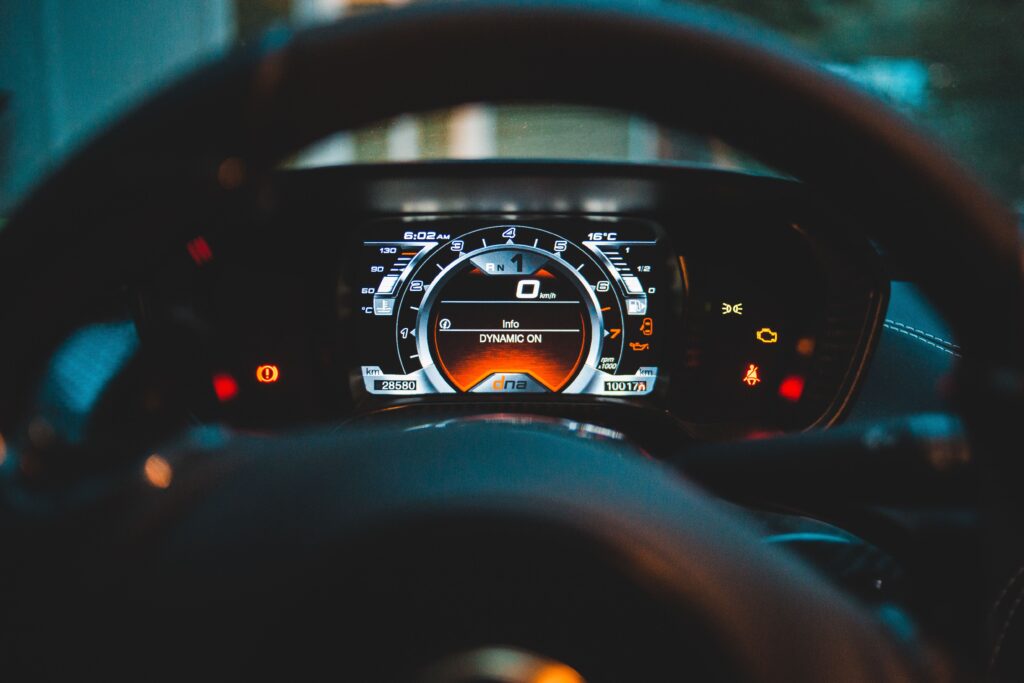
Imagine stepping on the gas, watching your RPM gauge climb, and hearing your engine roar—only to realize your car is barely moving, or worse, completely stranded. It’s a frustrating and alarming experience, but it’s a classic symptom of a disconnect between your engine and your wheels.
When your engine revs high, it proves it is generating power. The problem is that this power isn’t reaching the drivetrain. Here are the most common culprits behind this issue and what you need to do next.
1. Low or Contaminated Transmission Fluid
Transmission fluid provides the hydraulic pressure needed to change gears and transfer power. If the fluid level is dangerously low, or if it has degraded and become burnt and full of debris, the transmission won’t be able to engage properly.
- The Symptom: Delayed engagement, slipping gears, or a whining noise coming from the transmission.
- The Fix: Check your transmission dipstick (if your car has one). If the fluid is dark brown/black, smells burnt, or is below the fill line, it needs immediate attention. Top it off or perform a fluid flush.
2. A Slipping Clutch (Manual Transmission)
If you drive a manual, the clutch is the mechanical bridge between the engine and the gearbox. Over time, the friction material on the clutch disc wears down. When it wears out completely, it can no longer grip the flywheel.
- The Symptom: The engine revs freely when you release the clutch pedal in gear, but the car accelerates at a snail’s pace, often accompanied by a distinct, acrid burning smell.
- The Fix: Your clutch has reached the end of its lifespan. You will need to replace the clutch disc, pressure plate, and likely resurface or replace the flywheel.
3. Torque Converter Failure (Automatic Transmission)
In an automatic car, the torque converter acts as a fluid coupling that connects the engine to the transmission. If its internal components (like the stator or turbine) fail, or if it experiences severe fluid restriction, it cannot transfer rotational force to the gears.
- The Symptom: The engine revs normally in Park or Neutral, but when shifted into Drive or Reverse, the car refuses to budge despite high RPMs.
- The Fix: This requires professional diagnostic equipment to check transmission pressure lines. A faulty torque converter typically demands a replacement.
4. Broken Axle or CV Joint
Sometimes the engine and the transmission are doing their jobs perfectly, but the mechanical link to the wheels is broken. If a Constant Velocity (CV) axle snaps, the differential will send all the engine’s power to the broken, free-spinning axle shaft rather than the intact wheel.
- The Symptom: You might hear a loud clunk or metallic snapping sound right before the issue started. The speedometer might rise as you rev the engine, even though the vehicle remains stationary.
- The Fix: Look under the vehicle to inspect the drive axles. If a CV boot is torn open and the joint is separated, the axle must be replaced.
5. Transmission Solenoid or TCM Issues
Modern transmissions rely on electronic sensors, solenoids (valves that direct fluid flow), and a Transmission Control Module (TCM) to manage gear shifts. A failed shift solenoid or a glitched computer can prevent the transmission from engaging a gear.
- The Symptom: Your Check Engine Light or Transmission Warning Light will almost certainly be illuminated. The car may enter “limp mode.”
- The Fix: Plug in an OBD-II scanner to read the trouble codes. Replacing a faulty exterior solenoid or wiring harness is often a straightforward fix compared to a mechanical overhaul.
Summary Checklist
| Likely Cause | Transmission Type | Key Indicator |
| Low/Burnt Fluid | Automatic / Manual | Slipping under load, burnt smell, low dipstick reading. |
| Worn Clutch | Manual | High revs in gear, distinct burning friction odor. |
| Failed Torque Converter | Automatic | Total lack of movement in Drive; fluid pressure drop. |
| Broken CV Axle | Both | Speedometer moves while car stays still; metallic noise. |
| Bad Shift Solenoid | Automatic | Check Engine Light active; specific OBD-II error codes. |
If your car is revving without moving, avoid forcing it. Continuously revving a slipping transmission generates massive heat, turning a potentially minor repair into a completely ruined gearbox. Check your fluid levels first, scan for codes, and if the issue is mechanical, it’s time to call a tow truck.