Why does my car overheat in hot weather?
When temperatures rise, many drivers notice their car struggling to stay cool. Overheating in hot weather is a common issue, but understanding the causes can help you prevent costly damage and keep your vehicle running smoothly.
Common Causes of Car Overheating in Hot Weather
🔧 Low Coolant Levels
Coolant absorbs heat from the engine and releases it through the radiator. If levels are low due to leaks or evaporation, the cooling system cannot function properly, leading to overheating.
🌡️ Faulty Thermostat
The thermostat regulates coolant flow. If it gets stuck closed, coolant cannot circulate, and the engine temperature quickly spikes.
🚗 Weak Radiator Performance
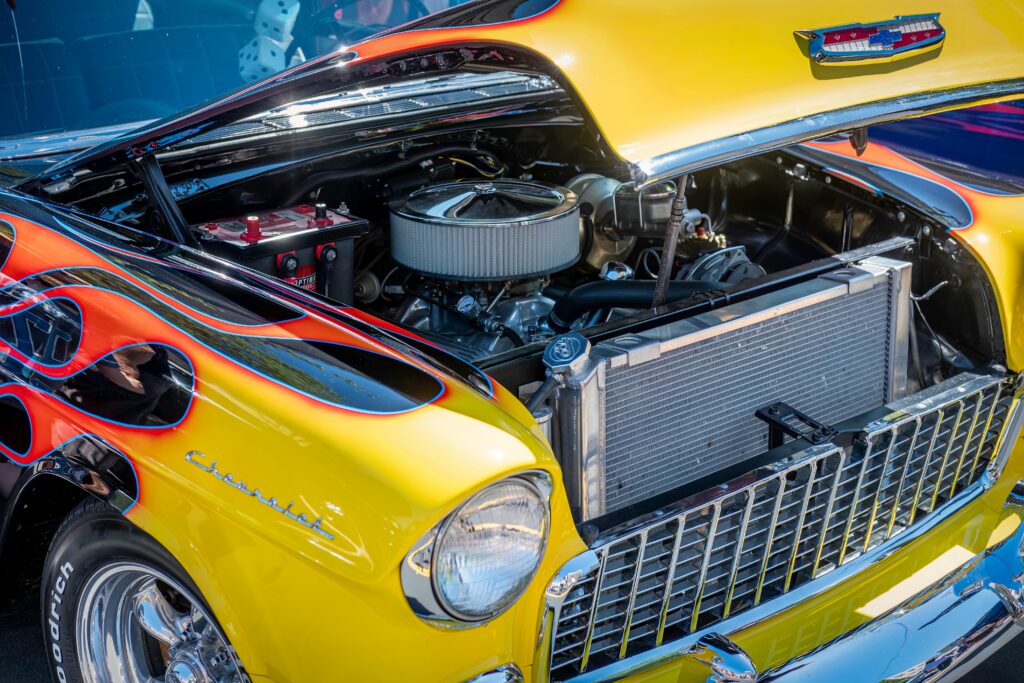
A clogged or damaged radiator reduces heat dissipation. Dust, debris, or corrosion can block airflow, especially in hot climates.
🌀 Broken Cooling Fan
Fans pull air through the radiator when the car is stationary or moving slowly. A malfunctioning fan motor or sensor means less airflow, increasing the risk of overheating.
🛠️ Water Pump Failure
The water pump circulates coolant throughout the engine. If it fails, coolant flow stops, and the engine overheats rapidly.
🛣️ Driving Conditions
Stop‑and‑go traffic, steep inclines, or towing heavy loads put extra stress on the cooling system, making overheating more likely in hot weather.
Preventing Overheating in Summer
- Check coolant levels regularly.
- Inspect hoses and radiator for leaks or blockages.
- Replace the thermostat and water pump as part of routine maintenance.
- Ensure the cooling fan works properly.
- Avoid prolonged idling in extreme heat.
What to Do If Your Car Overheats
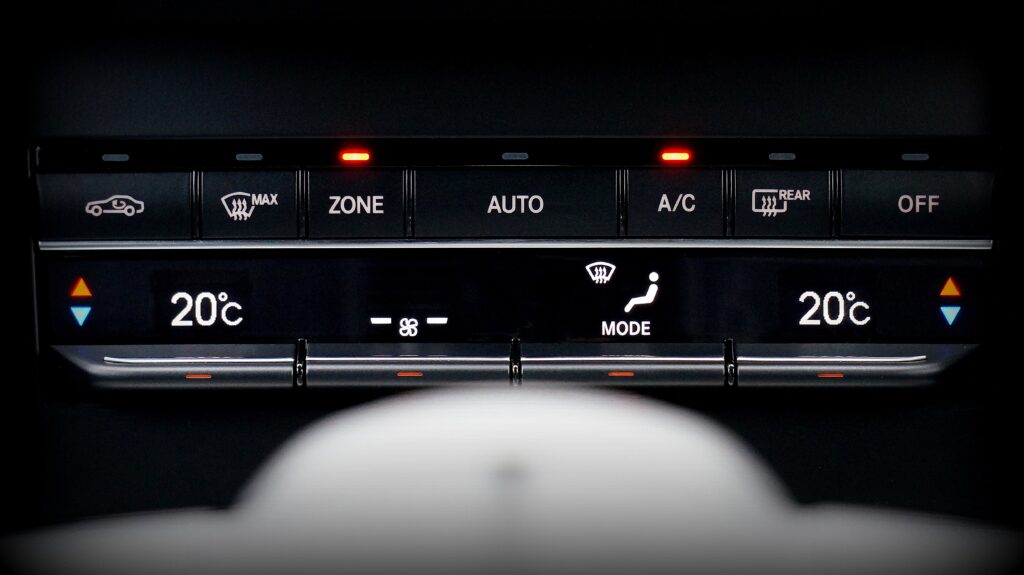
- Turn off the AC to reduce engine load.
- Switch on the heater to transfer heat away from the engine.
- Pull over safely and turn off the engine.
- Wait before opening the hood to avoid burns.
- Add coolant or water if levels are low, but only once the engine has cooled.
❓ Frequently Asked Questions
Q1: Can hot weather alone cause overheating? Yes, high temperatures increase stress on the cooling system, especially if it’s already weak or poorly maintained.
Q2: How often should I check coolant levels? At least once a month, and before long trips in summer.
Q3: Is it safe to drive with an overheating car? No. Continuing to drive can cause severe engine damage, including a blown head gasket.
Q4: Why does my car overheat only in traffic? This usually points to a faulty cooling fan or poor airflow through the radiator.
Q5: Can low oil cause overheating? Yes. Oil reduces friction and helps with heat dissipation. Low oil levels can contribute to overheating.