Why won’t my car start when engine is hot?
Experiencing a car that refuses to start after the engine has warmed up is a frustrating and surprisingly common issue. While vehicles often start smoothly when cold, heat can expose underlying mechanical or electrical problems. Understanding the causes can help you diagnose the issue and take corrective action.
🔧 Common Causes of Hot Start Problems
- Vapor Lock
In older fuel systems, heat can cause fuel to vaporize inside the lines, preventing proper flow to the engine. This leads to difficulty starting until the fuel cools down. - Faulty Starter Motor
Heat increases electrical resistance. A worn starter motor may struggle to crank the engine when hot, even though it works fine when cold. - Ignition Coil Failure
Coils can break down under high temperatures, causing weak or inconsistent spark delivery. This results in misfires or failure to start. - Crankshaft Position Sensor
A failing sensor often works when cold but stops sending signals once heated, leaving the ECU unable to time ignition properly. - Fuel Pump Weakness
A pump that is near the end of its life may lose pressure when hot, starving the engine of fuel during restart attempts.
⚡ Electrical and Battery Issues
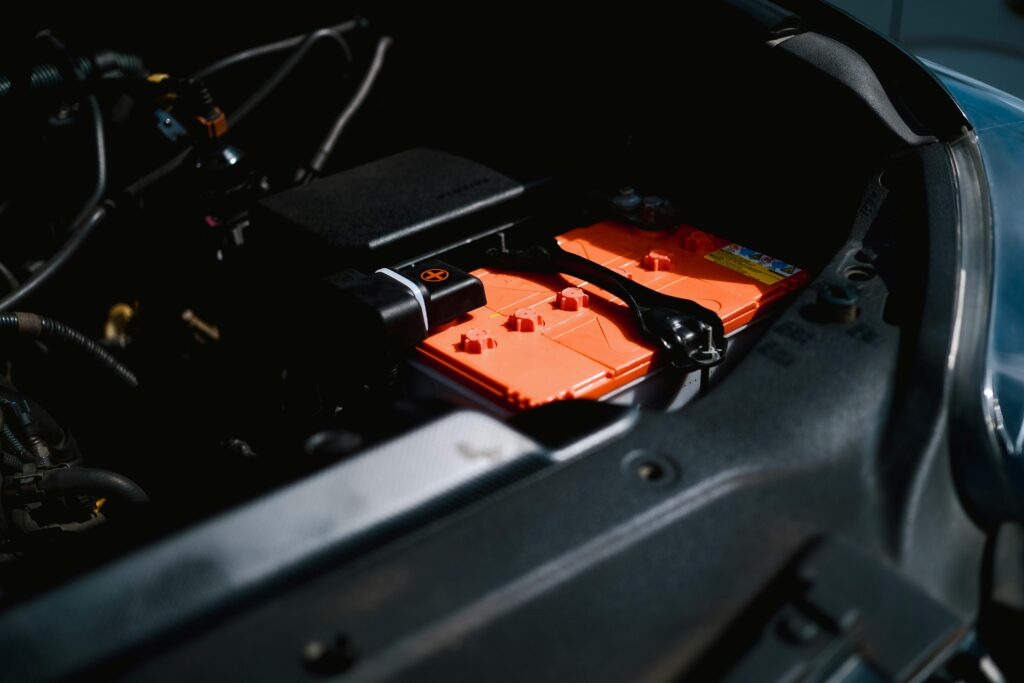
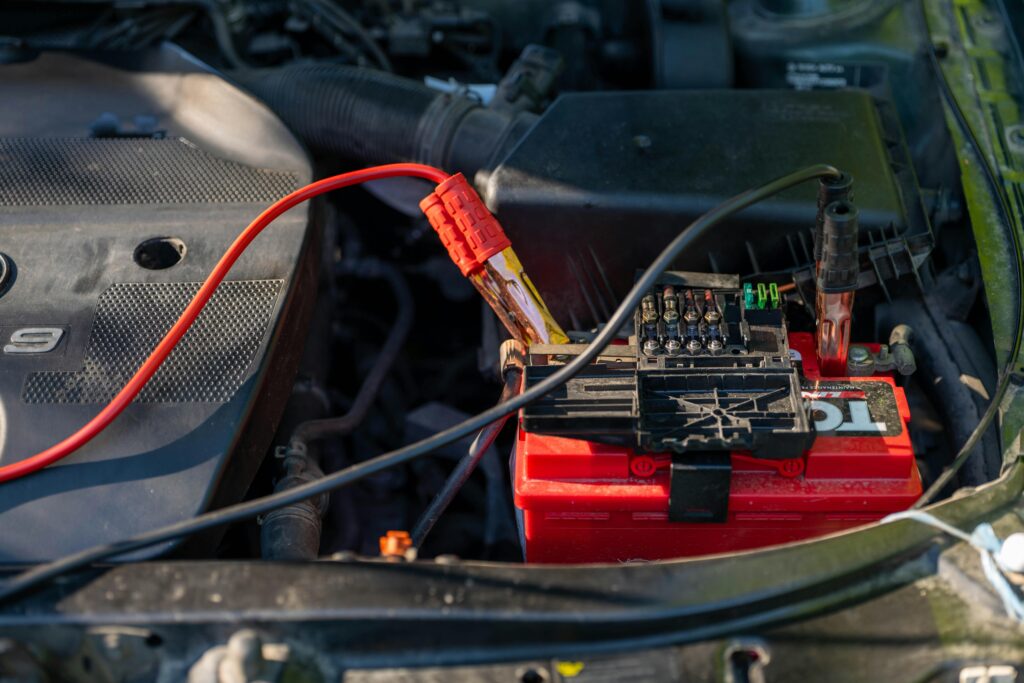
- Battery Heat Stress
High temperatures reduce battery efficiency. If the battery is already weak, hot conditions can push it past the point of reliable starting. - Wiring and Connections
Heat expands metal, loosening connections. Corroded or weak terminals may fail to deliver consistent current to the starter or ignition system.
🛠️ Diagnostic Steps
- Check Fuel Pressure
Use a gauge to confirm whether the pump maintains pressure when hot. - Test Spark Output
Inspect ignition coils and plugs for consistent spark under heat. - Scan for Error Codes
Modern vehicles store fault codes that can pinpoint failing sensors. - Inspect Starter Motor
If cranking slows significantly when hot, the starter may be the culprit.
🚗 Preventive Measures
- Regular Maintenance
Replace worn spark plugs, coils, and sensors before they fail under heat. - Fuel System Care
Keep injectors clean and replace filters to ensure proper flow. - Battery Health Checks
Test battery voltage regularly, especially in hot climates.
🌡️ Conclusion
A car that won’t start when hot is usually a sign of heat-sensitive component failure—most often in the fuel, ignition, or starter systems. By systematically checking these areas, you can identify the root cause and prevent future breakdowns. Addressing the issue early not only saves you from roadside frustration but also protects your engine from long-term damage.
❓ Frequently Asked Questions (FAQ)
- Why does my car struggle to start when hot? Heat often exposes weak components such as the starter motor, ignition coil, or fuel pump, making them fail temporarily until cooled.
- Can a bad battery cause hot start problems? Yes. High temperatures reduce battery efficiency, and if the battery is already weak, it may not deliver enough power to crank the engine.
- What is vapor lock and how does it affect starting? Vapor lock occurs when fuel vaporizes in the lines due to heat, preventing proper fuel delivery. This is more common in older vehicles.
- How do I know if my crankshaft sensor is failing? Symptoms include stalling, difficulty restarting when hot, and error codes stored in the ECU.
- Is it safe to keep driving if my car won’t start when hot? It’s risky. A failing component can lead to sudden breakdowns. Diagnosing and repairing the issue early prevents long-term damage.
- What should I check first when my car won’t restart hot? Begin with fuel pressure, spark output, and battery health. These are the most common culprits and easiest to test.