Why won’t my car start after replacing sensors?
Replacing a faulty sensor in your car is usually expected to solve engine problems, not create new ones. However, many drivers face a frustrating situation: the car refuses to start right after installing a new sensor. This issue is more common than it seems, and it usually points to installation errors, compatibility issues, or ECU-related problems rather than a completely new failure.
Understanding the real cause is important before replacing more parts unnecessarily.
1. ECU Has Not Relearned the New Sensor
Modern vehicles rely heavily on the Engine Control Unit (ECU) to interpret sensor data. When a sensor is replaced, especially critical ones like the crankshaft or camshaft sensor, the ECU may still be working with old learned values.
If the ECU does not recognize the new signal pattern correctly, it may block ignition or fuel injection as a safety measure.
What to do:
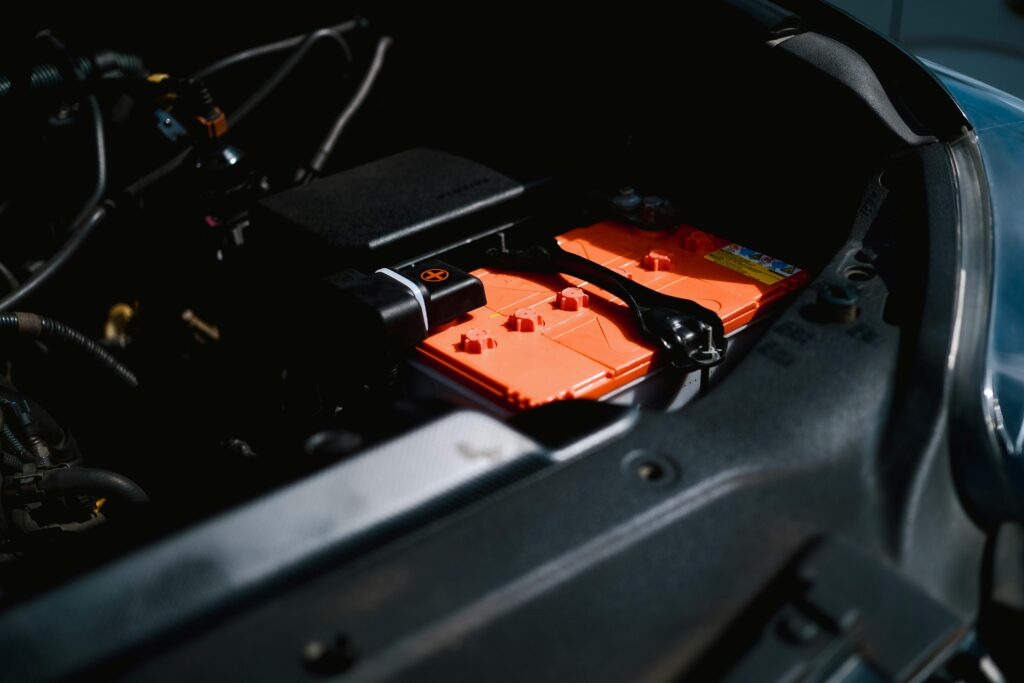
In many cases, an ECU reset or relearn procedure is required. This can be done by disconnecting the battery for a few minutes or using an OBD2 scanner to clear adaptive memory.
2. Wrong Sensor or Compatibility Issue
Not all sensors are identical, even if they look similar. Using a sensor that is not fully compatible with your car model can result in incorrect signals or complete communication failure with the ECU.
This often happens with aftermarket parts that are not OEM-spec.
What to do:
Always verify the part number before installation and ensure it matches your engine specifications exactly.
3. Improper Installation or Loose Connection
A very common reason for no-start issues after sensor replacement is simple installation error. Even a slightly loose connector or misaligned sensor can prevent the engine from starting.
Sensors like crankshaft and camshaft sensors require precise positioning. A small deviation can disrupt timing signals.
What to do:
Recheck all connectors, make sure they are fully locked, and confirm that the sensor is seated correctly.
4. Damaged Wiring During Replacement
While replacing a sensor, wiring harnesses are often moved or pulled. This can accidentally damage fragile wires or loosen internal connections.
A broken or shorted wire can completely stop signal transmission to the ECU.
What to do:
Inspect the wiring carefully for cuts, bends, or corrosion. If necessary, perform a continuity test using a multimeter.
5. Faulty New Sensor (Manufacturing Defect)
Although new, a sensor can still be defective. Low-quality or counterfeit sensors are especially prone to failure right out of the box.
In this case, the ECU receives no signal or an incorrect signal, preventing engine startup.
What to do:
If everything else checks out, try replacing the sensor again with a trusted OEM or high-quality brand.
6. ECU Stored Error Codes
After a sensor failure, the ECU usually stores error codes. Even after replacing the faulty part, these codes can keep the system in a fail-safe mode that prevents the engine from starting.
What to do:
Use an OBD2 scanner to read and clear all error codes after installation.
Conclusion
A car that won’t start after replacing a sensor is usually not suffering from a major new failure. In most cases, the issue comes down to incorrect installation, ECU adaptation, wiring problems, or a faulty replacement part.
Instead of replacing more components, a systematic check of installation, compatibility, and ECU status will usually solve the problem quickly and prevent unnecessary costs.