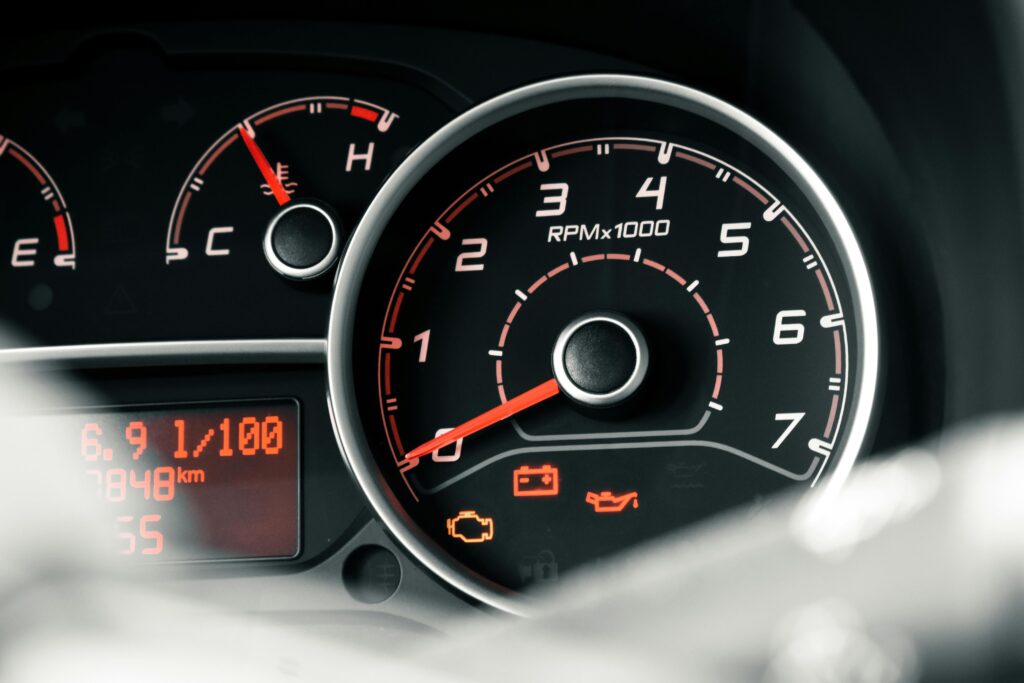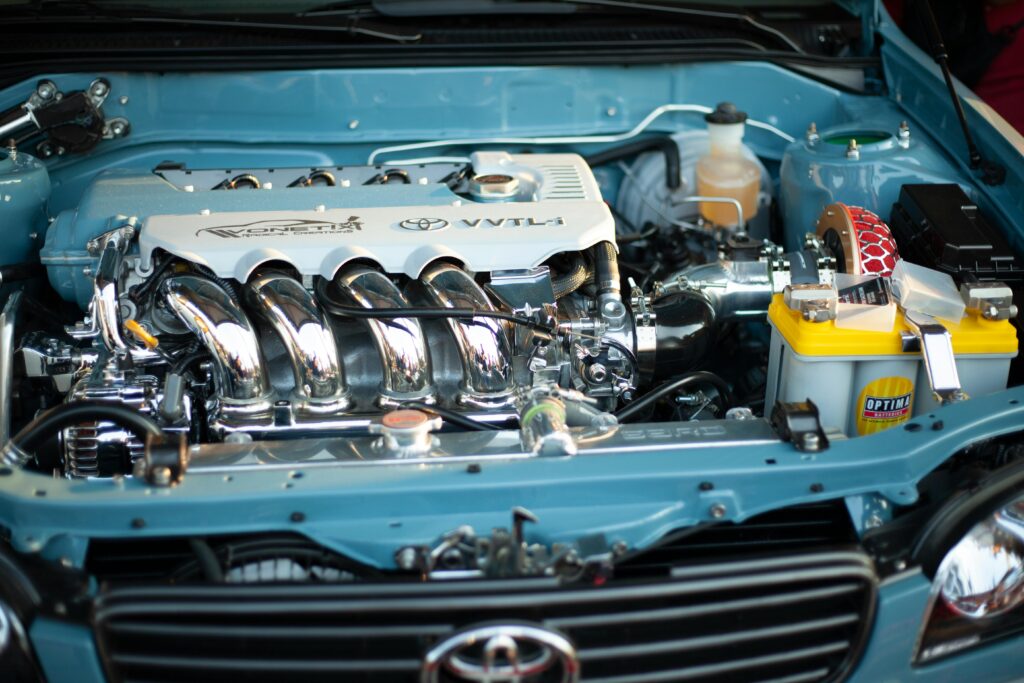
Driving uphill puts extra pressure on the engine because gravity increases resistance. The engine must create more torque and burn more fuel to maintain speed.
If there is any weakness in:
- Air intake
- Fuel delivery
- Ignition system
- Transmission performance
the issue becomes much more noticeable during uphill acceleration.
Common Symptoms
- Slow acceleration uphill
- Engine hesitation
- Vehicle losing speed on hills
- High RPM with low acceleration
- Black smoke from exhaust
- Check engine light turning on
1. Clogged Air Filter
The engine needs clean airflow for proper combustion. A dirty air filter blocks airflow and reduces engine efficiency.
Signs of a Dirty Air Filter
- Weak acceleration
- Reduced fuel economy
- Rough engine performance
- Dark exhaust smoke
Replacing the air filter is inexpensive and often improves performance immediately.
2. Fuel Pump Problems
The fuel pump supplies fuel from the tank to the engine. During uphill acceleration, the engine demands more fuel pressure.
A weak fuel pump may fail to provide enough fuel under load.
Symptoms of a Weak Fuel Pump
- Power loss uphill
- Engine sputtering
- Difficulty accelerating
- Hard starting
3. Dirty Fuel Injectors
Fuel injectors spray fuel into the cylinders. Over time, carbon buildup can clog the injectors and reduce fuel flow.
This leads to weak combustion and poor uphill performance.
Common Symptoms
- Rough acceleration
- Engine hesitation
- Poor fuel economy
- Uneven engine operation
4. Failing Spark Plugs
Spark plugs ignite the air-fuel mixture. Worn spark plugs cause incomplete combustion and engine misfires.
Uphill driving requires stronger ignition performance, making the issue more noticeable.
Symptoms
- Engine shaking
- Misfires under load
- Slow throttle response
- Weak acceleration uphill
5. Clogged Catalytic Converter
The catalytic converter controls emissions. If it becomes clogged, exhaust gases cannot flow properly.
This creates back pressure that reduces engine power significantly.
Signs of a Clogged Catalytic Converter
- Poor acceleration
- Engine overheating
- Rotten egg smell
- Reduced top speed
6. Transmission Problems
Sometimes the engine is not the problem. A slipping transmission may fail to transfer engine power effectively.
Transmission Symptoms
- RPM increases without speed gain
- Delayed gear shifts
- Burning smell
- Jerking during acceleration
7. Turbocharger Failure
Turbocharged engines rely on boost pressure for extra power. A failing turbo can cause severe power loss uphill.
Turbo Failure Symptoms
- Whistling noises
- Weak acceleration
- Black or blue exhaust smoke
- Check engine light
8. Low Engine Compression
Compression is essential for proper combustion. Worn piston rings or valve damage reduce engine power.
Symptoms of Low Compression
- Constant power loss
- Rough idle
- Excessive oil consumption
- Hard starting
9. Mass Air Flow (MAF) Sensor Issues
The MAF sensor measures incoming air. Incorrect readings affect the fuel mixture and reduce performance.
Symptoms
- Hesitation during acceleration
- Engine stalling
- Poor uphill performance
- Check engine light
10. Low-Quality Fuel
Poor fuel quality reduces combustion efficiency and engine response.
Symptoms of Bad Fuel
- Knocking sounds
- Weak acceleration
- Engine hesitation
- Reduced uphill power
How to Diagnose Power Loss Uphill
Before visiting a mechanic, you can inspect:
- Air filter condition
- Spark plugs
- Fuel quality
- Engine warning lights
- Vacuum or turbo leaks
- RPM behavior during acceleration
A simple diagnostic scan can also reveal hidden engine fault codes.
When Should You Visit a Mechanic?
Seek professional help if:
- The check engine light appears
- The vehicle struggles severely uphill
- The transmission slips
- The engine overheats
- You hear knocking or grinding noises
Ignoring these symptoms may lead to serious engine or transmission damage.
Estimated Repair Costs
| Problem | Estimated Cost |
|---|---|
| Air filter replacement | Low |
| Spark plug replacement | Low |
| Fuel injector cleaning | Medium |
| Fuel pump replacement | Medium to High |
| Catalytic converter replacement | High |
| Turbocharger repair | High |
| Transmission repair | Very High |
How to Prevent Engine Power Loss
To maintain strong uphill performance:
- Replace air filters regularly
- Use high-quality fuel
- Change spark plugs on schedule
- Clean fuel injectors periodically
- Service the transmission
- Fix engine warning lights early
Preventive maintenance reduces the risk of major mechanical problems.
Frequently Asked Questions
Why does my car lose speed uphill?
Because the engine may not be producing enough power due to fuel, air, ignition, or transmission issues.
Can bad spark plugs cause loss of power?
Yes, weak spark plugs reduce combustion efficiency under load.
Why does RPM increase but speed stays low?
This usually indicates a slipping transmission.
Can a clogged air filter reduce uphill power?
Yes, restricted airflow limits engine performance.
Is uphill power loss dangerous?
It can be dangerous during highway driving or overtaking.
Can low-quality fuel affect acceleration?
Yes, poor fuel quality reduces engine efficiency and responsiveness.
Conclusion
If your engine loses power when accelerating uphill, the problem is usually related to airflow, fuel delivery, ignition, turbo performance, transmission issues, or low engine compression.
Some causes are simple and inexpensive to fix, while others require professional diagnosis. Early maintenance and proper inspections can restore engine performance and prevent costly repairs later.