What does engine shaking at idle mean?
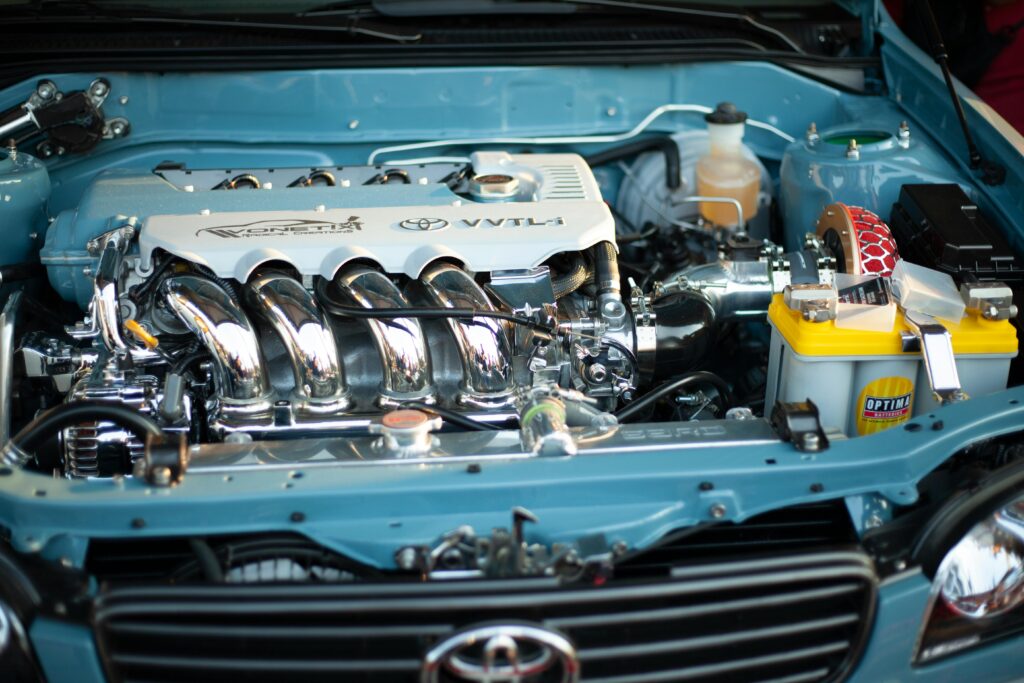
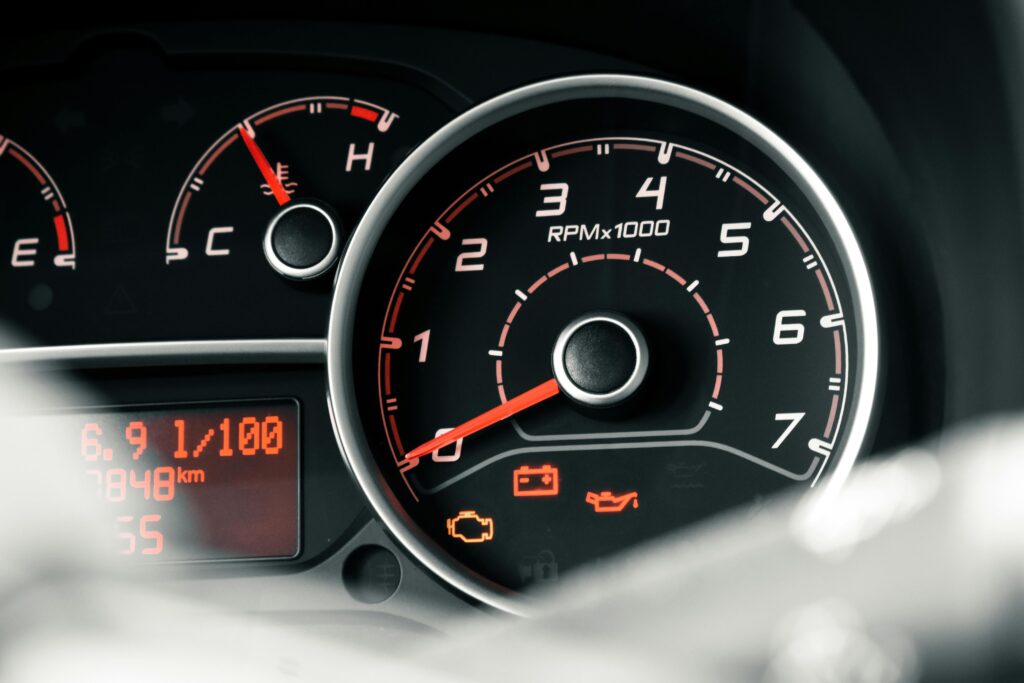
When your car is idling, the engine runs at a low speed (around 600–900 RPM). At this low speed, even small problems become noticeable.
These problems may include:
- Weak ignition sparks
- Air-fuel imbalance
- Fuel delivery issues
- Worn engine mounts
When you start driving, the engine speed increases and the vibration becomes less noticeable because the system stabilizes under load.
Main causes of engine shaking at idle but smooth when driving
1. Worn or dirty spark plugs
Spark plugs ignite the fuel mixture. If they are dirty or worn out, combustion becomes inconsistent, causing shaking at idle.
2. Faulty ignition coils
Ignition coils provide electricity to the spark plugs. A weak coil can cause misfires that are more visible at low RPM.
3. Vacuum leaks
A vacuum leak allows extra air into the engine, disrupting the air-fuel ratio and causing rough idle.
4. Dirty throttle body
Carbon buildup restricts airflow, making the engine unstable when idling.
5. Fuel injector problems
Clogged injectors reduce fuel flow, leading to uneven combustion.
6. Worn engine mounts
Engine mounts absorb vibrations. When damaged, even normal engine operation feels like shaking inside the cabin.
7. Dirty air filter or intake issues
Restricted airflow affects combustion quality and engine stability.
8. Low engine compression
If one cylinder has low compression, the engine runs unevenly at idle.
Fuel system issues
Poor fuel quality
Bad or contaminated fuel can cause misfires and unstable engine performance.
Clogged fuel filter
A blocked filter reduces fuel pressure, especially noticeable when the engine is idling.
Sensor-related causes
Mass Air Flow (MAF) sensor issues
A faulty MAF sensor sends incorrect air intake data, causing poor fuel mixture.
Oxygen sensor failure
Incorrect readings can lead to improper fuel adjustments and engine vibration.
Why does the shaking disappear while driving?
When you accelerate:
- Engine RPM increases and combustion becomes smoother
- Air-fuel mixture stabilizes
- Engine load balances internal movement
- Vibrations become less noticeable
That’s why the issue is mainly felt only at idle.
How to diagnose the problem at home
You can check:
- Check engine light
- Spark plug condition
- Air filter cleanliness
- Any hissing sound (vacuum leaks)
- RPM fluctuations
- Whether vibration increases when AC is turned on
These simple checks can help narrow down the cause.
When should you visit a mechanic?
Go to a mechanic if:
- Check engine light is flashing
- Strong vibration continues
- Engine misfires happen frequently
- Fuel consumption increases
A diagnostic scan will identify the exact fault codes.
Repair cost overview
- Spark plugs: low cost
- Ignition coils: medium cost
- Engine mounts: medium to high cost
- Fuel injectors: medium cost
- Sensors (MAF/O2): varies
How to prevent engine shaking at idle
- Replace spark plugs on time
- Use good quality fuel
- Clean throttle body regularly
- Replace air filters
- Inspect engine mounts
- Service fuel system periodically
FAQs
1. Why does my engine shake only at idle?
Because low RPM exposes small engine issues that are hidden at higher speeds.
2. Is it safe to drive with engine shaking at idle?
Sometimes yes, but it depends on the cause. Misfires can damage the engine over time.
3. Can spark plugs cause shaking?
Yes, they are one of the most common reasons.
4. Why does vibration stop when I accelerate?
Because higher RPM stabilizes combustion and engine movement.
5. Can bad fuel cause shaking?
Yes, low-quality fuel can cause uneven combustion.
6. How do I fix it quickly?
Start with spark plugs, air filter, and a diagnostic scan.
Conclusion
If your engine shakes at idle but runs smoothly while driving, the issue is usually related to ignition, air intake, fuel delivery, or engine mounts. While some causes are minor, others can lead to serious engine damage if ignored.
Early diagnosis and regular maintenance are the best ways to keep your engine running smoothly in all conditions.