Why Does a Car Radiator Cause Temperature Fluctuation?
Engine temperature is a delicate balance. When your dashboard gauge starts swinging between “normal” and “hot,” it is often the first warning sign that your cooling system is struggling. While several components contribute to thermal management, the radiator—the system’s primary heat exchanger—is frequently at the heart of these fluctuations.
Understanding why this happens is crucial for preventing catastrophic engine damage. Here is a breakdown of why your radiator might be causing those erratic temperature readings.
Common Causes of Temperature Instability
1. Air Pockets in the Cooling System
Air is the enemy of an efficient cooling system. If air becomes trapped in the radiator or the engine block, it creates a “vapor lock.” Unlike liquid coolant, air does not absorb or transfer heat effectively. As the air pocket moves through the system, it interferes with the flow of coolant, causing the temperature to spike and drop suddenly as the coolant reaches the sensor intermittently.
2. Partial Radiator Blockages
Over time, debris, mineral deposits (scale), or sediment can build up inside the radiator’s narrow cooling tubes. This restricts the flow of coolant. When the engine is under low load, the radiator might manage to cool the remaining liquid, but under higher demands, the restricted flow cannot dissipate enough heat, leading to rapid temperature swings.
3. Faulty Thermostat Interaction
While the thermostat is a separate component, it works in tandem with the radiator. If a thermostat is “sticky”—opening and closing inconsistently—the radiator is flooded with coolant in sudden bursts. This causes the gauge to rise quickly as the engine heats up, followed by a sharp drop once the thermostat finally opens and dumps a large volume of cooled liquid into the system.
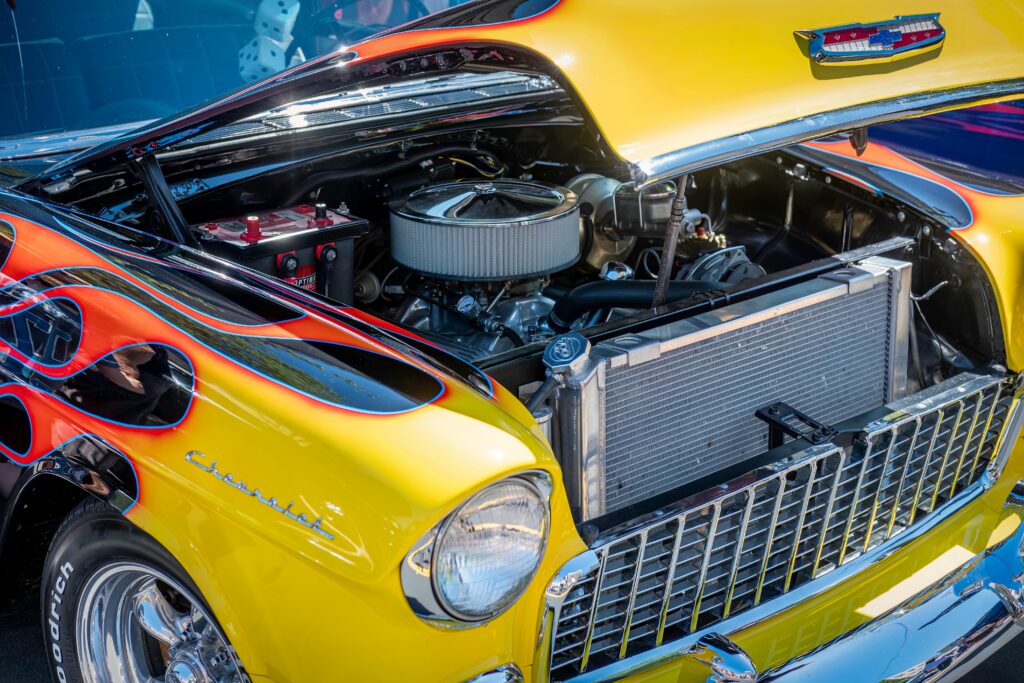
4. Externally Clogged Fins
The exterior of the radiator relies on airflow to dissipate heat. If the fins are clogged with dirt, leaves, or bugs, air cannot pass through effectively. During stop-and-go traffic, the temperature will climb because there is insufficient airflow. Once you gain speed, the forced air might force its way through, causing a sudden cooling effect and a drop in temperature.
How to Diagnose the Issue
- Check Coolant Levels: Always start by checking your coolant when the engine is completely cold. Low levels are the most common cause of air pockets.
- Inspect for Leaks: Look for white, crusty residue or puddles under the car. External leaks can cause pressure drops, leading to unstable temperatures.
- Feel the Radiator: With the engine at operating temperature, carefully check the radiator’s surface. Cold spots indicate internal blockages where coolant is not flowing.
- Monitor Cooling Fans: Ensure your electric fans turn on when the car is idling. If they don’t, the radiator cannot do its job while stationary.
When to See a Professional
If you have flushed your cooling system and ensured there are no air bubbles, but the temperature continues to fluctuate, you may have a failing water pump or a blown head gasket. Continued driving with a fluctuating temperature gauge can warp cylinder heads and destroy engine seals. It is always safer to have a technician perform a pressure test on your cooling system to pinpoint the exact failure.
FAQ: Frequently Asked Questions
Q: Is it safe to drive with a fluctuating temperature gauge? A: No. A fluctuating gauge indicates that your engine is operating outside its designed thermal parameters. Continued use can lead to permanent internal engine damage.
Q: Could a bad radiator cap cause these fluctuations? A: Yes. The radiator cap is designed to maintain pressure in the system. If it fails, the boiling point of the coolant drops, leading to premature evaporation and air pockets, which directly cause temperature instability.
Q: How often should I flush my radiator? A: Most manufacturers recommend a coolant flush every 30,000 to 50,000 miles, or every 3–5 years, to prevent the sediment buildup that causes blockages.
Q: Why does my temperature drop when I turn on the heater? A: Your heater core acts as a “mini-radiator.” When you turn on the heat, you are drawing heat away from the engine coolant into the cabin. If this causes the temperature to drop significantly, it is a strong indicator that your cooling system is already working too hard to maintain a baseline temperature.