Why won’t my car start after engine overheated?
Experiencing an engine overheat is a stressful event for any driver. However, discovering that the car won’t start after it has finally cooled down can be even more alarming. When an engine overheats, it can trigger various safety mechanisms or cause physical damage that prevents the vehicle from restarting.
Understanding why your car is refusing to start post-overheat is crucial to preventing further damage to your engine.
1. The Computer-Controlled “Cool Down” or Safety Mode
Many modern vehicles are equipped with an Engine Control Unit (ECU) that monitors temperature sensors in real-time. If the ECU detects that the engine reached a critical temperature threshold, it may trigger a “protection mode.”
- The Mechanism: This mode may disable the fuel injectors or restrict the ignition system to prevent the driver from restarting the engine before it has reached a safe operating temperature.
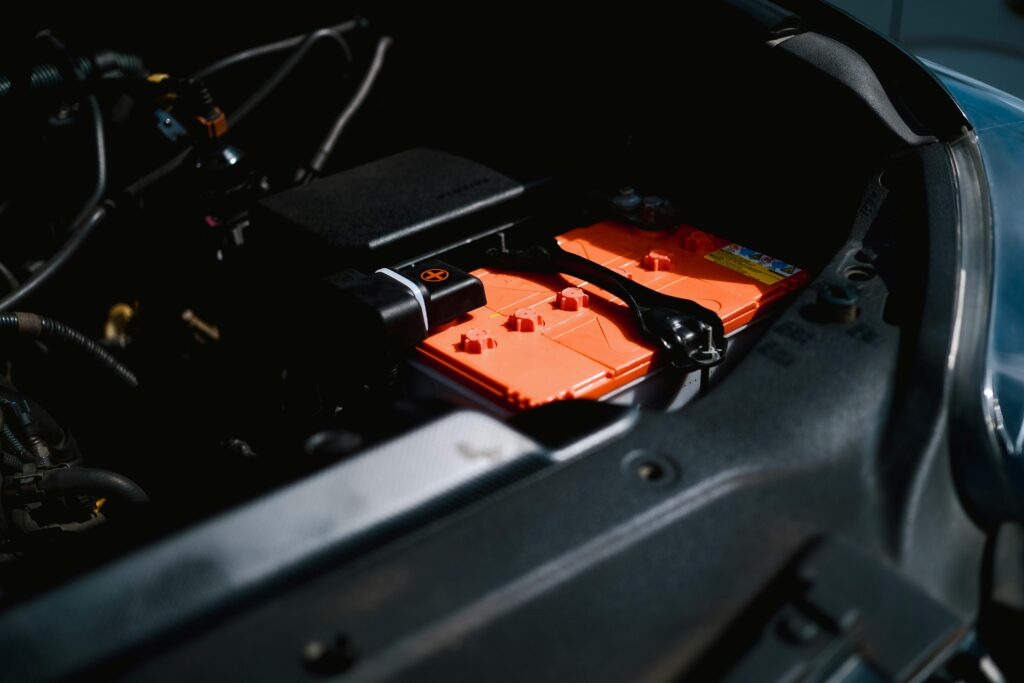
- What to do: Ensure the engine is completely cool to the touch. Sometimes, clearing the computer’s memory by disconnecting the battery for a few minutes (consult your manual first) can reset these electronic safeguards.
2. Blown Head Gasket
This is the most severe and common consequence of extreme overheating. The engine head gasket acts as a seal between the engine block and the cylinder head.
- The Mechanism: Excessive heat causes the metal components to warp, breaking the seal of the gasket. This can allow coolant to leak into the combustion chambers.
- The Symptom: If there is enough coolant in the cylinder, the engine will suffer from “hydro-lock”—a condition where the liquid prevents the pistons from moving because fluid cannot be compressed. Attempting to start the car in this state can cause catastrophic internal engine failure.
3. Seized Engine (Mechanical Failure)
If the engine overheated to the point of losing all oil pressure, the internal moving parts—such as pistons, bearings, and crankshafts—may have expanded due to heat and fused together.
- The Symptom: When you turn the key, you may hear a single loud click from the starter, but the engine does not turn at all. This indicates the engine is physically seized.
- The Risk: A seized engine often requires a complete rebuild or replacement.
4. Damaged Electrical Components
Engine bays are tightly packed. When an engine overheats, the intense, radiating heat can melt the plastic insulation on nearby wiring harnesses, connectors, and sensors.
- The Mechanism: A melted sensor (such as the Crankshaft Position Sensor) will fail to send the necessary signal to the ECU, telling it that the engine is spinning. Without this signal, the ECU will not spark the plugs or inject fuel.
5. Vapor Lock (Fuel System)
While less common in modern fuel-injected cars, heat can still affect the fuel system.
- The Mechanism: Extreme heat can cause the fuel in the lines to turn into vapor before it reaches the injectors. The fuel pump cannot push vapor, causing the engine to “starve” of fuel despite having a full tank.
Diagnostic Summary Table
| Symptom | Primary Suspect |
| Engine won’t turn at all | Seized Engine or Hydro-lock |
| Engine cranks but won’t catch | Fuel Vapor Lock or Faulty Crank Sensor |
| White smoke from exhaust | Blown Head Gasket (Coolant leak) |
| Everything dead (no power) | Melted wiring/blown main fuse |
Frequently Asked Questions (FAQ)
Q: Should I try to keep cranking the engine if it won’t start?
A: Absolutely not. If the engine is seized or hydro-locked, repeatedly trying to crank it will put immense stress on the starter motor and could permanently destroy the engine block or connecting rods.
Q: How do I know if the head gasket is blown?
A: Check your oil dipstick. If the oil looks like a “milky” chocolate-colored substance, it means coolant has mixed with your oil, which is a definitive sign of a failed head gasket.
Q: Can a bad battery cause the car not to start after overheating?
A: Yes. High ambient temperatures under the hood can damage an already aging battery, or the extra strain of the cooling fans running at high speed before the engine died may have drained the battery completely.
Q: What is the first thing I should check?
A: Check your coolant levels (only after the engine is cold) and your oil quality. If the coolant is missing or the oil looks contaminated, you have a mechanical failure that requires professional repair.