Why won’t my car start when parked on incline?
It is one of the most frustrating experiences for any driver: you turn the key (or press the start button), the dashboard lights up, the radio turns on, and you hear a distinct sound, yet the engine refuses to roar to life.
If your car’s ignition system appears to have power, but the engine won’t crank or start, the problem usually stems from a breakdown in the specific sequence required to fire up the combustion cycle. Here is a detailed breakdown of the common causes and how to identify them.
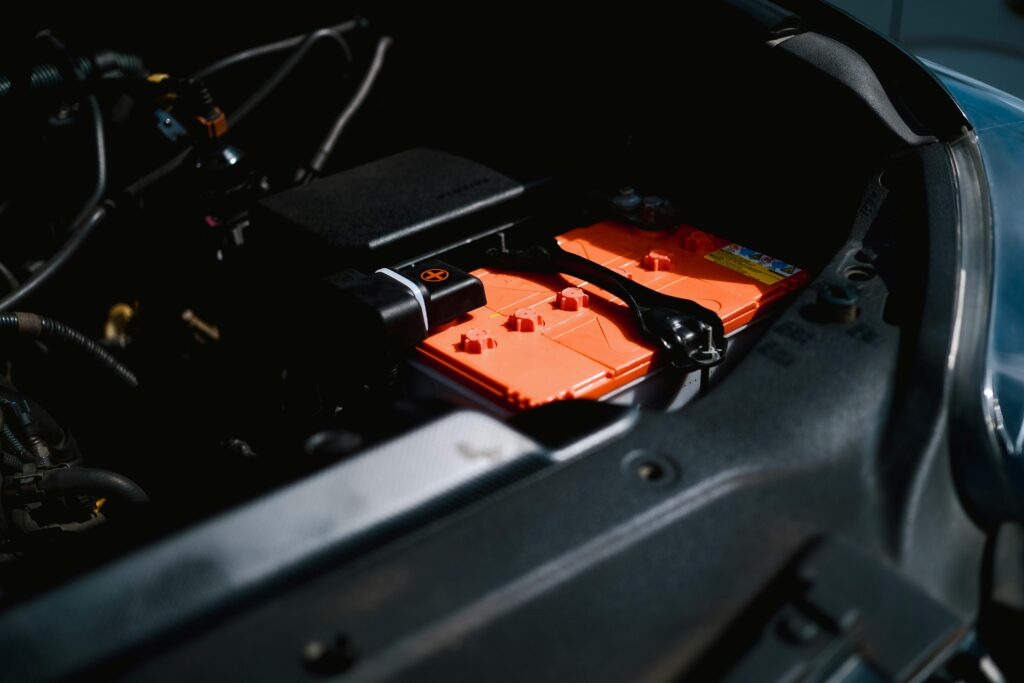
1. The Battery: “Surface Charge” vs. “Cranking Amps”
A common misconception is that if your lights work, your battery is healthy. Batteries must provide “Cold Cranking Amps” (CCA) to turn the heavy starter motor.
- The Symptom: You may hear a rapid “clicking” sound when you turn the key, or the dashboard lights may dim or flicker significantly the moment you attempt to start the engine.
- The Deep Dive: Sometimes a battery has enough “surface charge” to run small electronics (like your instrument cluster) but lacks the amperage to engage the starter. If your terminals have white or blue powdery corrosion, this can create enough resistance to prevent the high current needed for starting from reaching the engine.
2. Failing Starter Motor or Solenoid
The starter motor is an electric motor that physically spins the engine’s crankshaft to initiate combustion.
- The Symptom: You might hear a single, loud “clunk” when you turn the key, or absolutely nothing happens despite the dashboard being fully lit.
- The Deep Dive: Starters have a solenoid (a magnetic switch). If the solenoid is failing, it cannot complete the high-voltage circuit to the motor. In some older vehicles, tapping the starter housing with a wrench can temporarily free a stuck solenoid, but this is a sign that the component is near complete failure.
3. Ignition Switch and Security Immobilizers
The ignition switch is the electrical gatekeeper. In modern vehicles, this is further complicated by the Anti-Theft Immobilizer system.
- The Symptom: The dashboard lights come on, but turning the key feels unresponsive, or you see a blinking “Key” or “Security” icon on your dashboard.
- The Deep Dive: If your car does not recognize your key’s transponder chip, it will intentionally cut the signal to the starter motor as a security measure. If the mechanical ignition switch itself is worn, it may provide power to “ACC” (accessories) but fail to send the “START” signal to the engine control unit (ECU).
4. Electrical Path: Fuses, Relays, and Grounds
Electricity flows through a series of relays and fuses before reaching the starter.
- The Symptom: Everything in the car works, but the engine is completely silent when you turn the key.
- The Deep Dive: A starter relay is a switch that uses a small amount of electricity to trigger a large flow of electricity. If this relay fails, the “click” will never happen. Additionally, check the “engine ground strap”—a thick cable connecting the engine block to the car frame. If this corrodes or breaks, the electrical circuit cannot be completed.
5. Park/Neutral Safety Switch Issues
Automatic transmissions are designed to only start when the car is in “Park” or “Neutral” to prevent the vehicle from lurching forward.
- The Symptom: The car starts reliably if you shift into Neutral (instead of Park), or it doesn’t start in either position.
- The Deep Dive: Over time, the contacts inside the transmission range sensor (or neutral safety switch) can oxidize. If the car’s computer doesn’t receive a signal that the transmission is safely in gear, it will disable the starter motor to prevent unsafe operation.
Why Won’t My Car Start When Parked on an Incline?
Parking on a slope adds physical variables to these electrical and mechanical systems. When a vehicle only fails to start while on a hill, consider these gravity-dependent factors:
- Fuel Pump Pickup Issues: If your gas tank is near empty, parking on an incline can cause the remaining fuel to shift away from the fuel pump pickup tube. The pump then draws in air, preventing the engine from firing.
- Fuel Line Air Locks: If there is a microscopic leak in a fuel line, parking at a sharp angle can allow air to enter the line, causing an “air lock” that the fuel pump struggles to push through.
- Shifting Battery Connections: If your battery terminals were already loose, the physical tilt of the car can cause the cable to lose firm contact with the battery post, resulting in an intermittent electrical connection that you don’t experience on flat ground.
Diagnostic Summary Table
| Symptom | Primary Suspect |
| Rapid clicking sound | Weak Battery / Corroded Terminals |
| Single, heavy “clunk” | Faulty Starter Motor |
| Total silence when turning key | Starter Relay, Fuse, or Ignition Switch |
| Starts in Neutral, not Park | Neutral Safety Switch / Range Sensor |
| Fails only on steep hills | Low Fuel or Loose Battery Cables |
When to Consult a Professional
If you have verified your battery voltage and checked the fuses, the issue may involve a failing Alternator (which prevents the battery from recharging) or a faulty Engine Control Unit (ECU). Avoid prolonged cranking, as this generates excessive heat in the starter motor and can lead to permanent damage. A mechanic can perform a “load test” on your battery and starter to see exactly where the electrical path is being interrupted.
Frequently Asked Questions (FAQ)
Q: Is it safe to park my car on a steep hill? A: Yes, it is generally safe, provided your parking brake is fully engaged and functional. However, if your fuel level is low, it is better to park on level ground to avoid fuel pickup issues.
Q: Can a bad starter cause this problem? A: Usually, no. A bad starter is typically a consistent failure. If the car starts fine on flat ground but not on an incline, the issue is more likely related to fuel delivery or electrical connectivity.
Q: Will adding more gas fix the issue immediately? A: If the problem is caused by low fuel levels on an incline, adding more gasoline will often resolve the issue immediately because it submerges the fuel pump pickup tube again.
Q: How do I know if it’s a fuel issue or an electrical issue? A: If the engine cranks (makes a spinning noise) but doesn’t “catch” or start, it is likely a fuel delivery issue. If there is a clicking sound or absolute silence when you turn the key, it is likely an electrical or battery connection issue.