Why does my car not start but ignition works?
It is one of the most frustrating experiences for any driver: you turn the key (or press the start button), the dashboard lights up, the radio turns on, and you hear a distinct sound, yet the engine refuses to roar to life.
If your car’s ignition system appears to have power, but the engine won’t crank or start, the problem usually stems from a breakdown in the sequence required to fire up the combustion cycle. Here is a breakdown of the most common causes and how to identify them.
1. The Battery Has Sufficient Power for Lights, But Not for Cranking
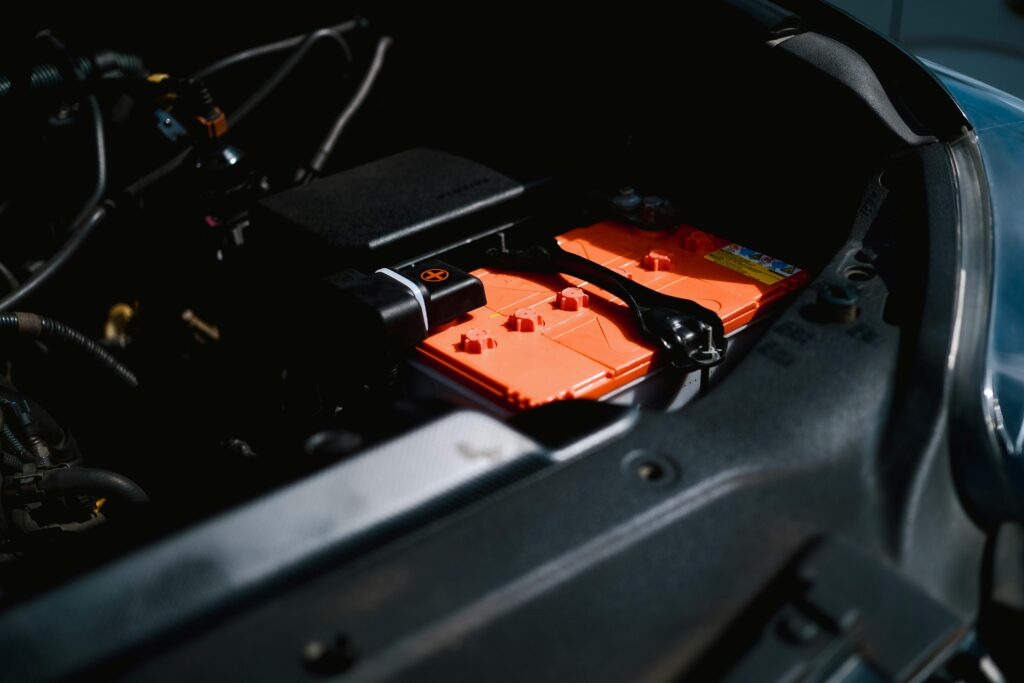
This is the most common culprit. It takes significantly more electrical energy to turn the starter motor than it does to illuminate your dashboard or run the radio.
- The Symptom: You hear a rapid “clicking” sound when you try to start the car, or the lights dim significantly the moment you turn the key.
- The Fix: Check your battery terminals for corrosion. If they are clean, attempt to jump-start the vehicle. If it starts, your battery may be failing or your alternator is not charging it properly.
2. Failing Starter Motor or Solenoid
The starter motor is responsible for physically turning the engine over to begin the ignition process. Even if the battery is in perfect condition, a faulty starter will prevent the engine from starting.
- The Symptom: You hear a single, loud “clunk” when you turn the key, or absolutely nothing happens despite the dashboard being lit.
- The Fix: Sometimes, tapping the starter motor lightly can temporarily dislodge a stuck solenoid, allowing it to start. However, this usually indicates the starter needs to be replaced immediately.
3. Faulty Ignition Switch
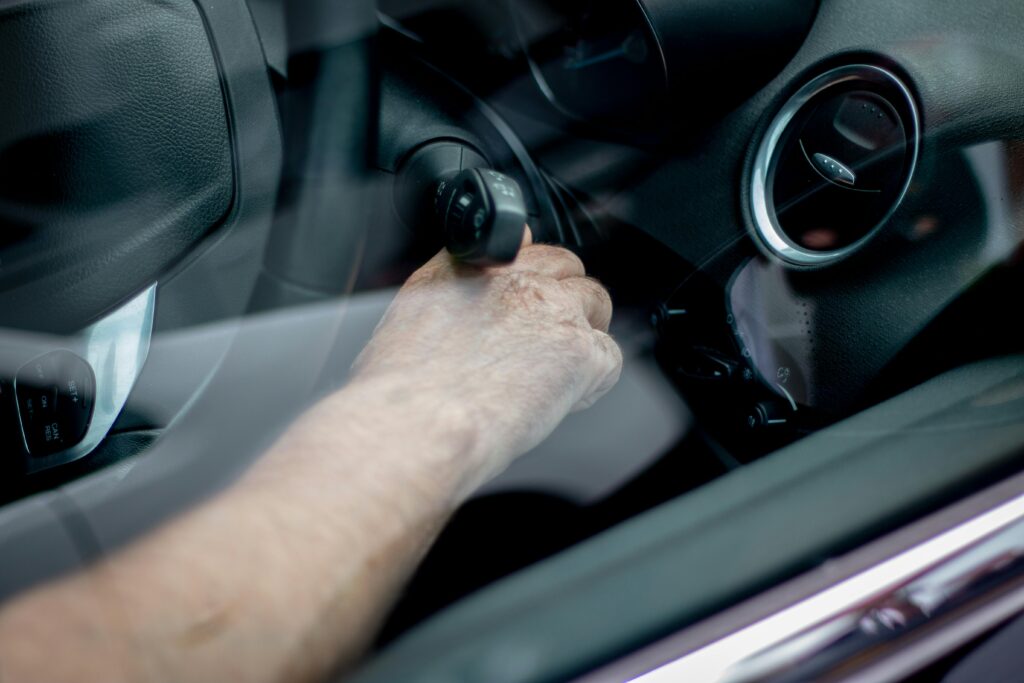
The ignition switch is the gateway for electricity to reach the starter motor. If the switch is worn out, it may provide power to the car’s accessories but fail to send the signal to the starter.
- The Symptom: The dashboard lights come on, but turning the key feels loose or unresponsive, and there is no sound from the engine bay.
- The Fix: This is an electrical component issue that typically requires a professional mechanic to test the switch with a multimeter and replace it if necessary.
4. Blown Starter Fuse or Relay
Your car’s electrical system uses fuses and relays to protect components from power surges. If the relay for the starter fails, the signal from your ignition switch will never reach the starter motor.
- The Symptom: Everything else in the car works fine, but turning the key results in total silence.
- The Fix: Check your vehicle’s manual to locate the fuse box. Inspect the starter relay and fuse; if the filament inside the fuse is broken, simply replacing it is a cheap and quick fix.
5. Park/Neutral Safety Switch Issues
Automatic transmissions are designed to only start when the car is in “Park” or “Neutral” to prevent the vehicle from lurching forward. If this safety switch malfunctions, the car assumes it is in gear and prevents the starter from engaging.
- The Symptom: The car starts normally if you shift into Neutral (instead of Park), or it doesn’t start in either position.
- The Fix: Try shifting the car into Neutral and then attempting to start it. If it starts, your neutral safety switch likely needs adjustment or replacement.
Quick Diagnostic Summary
| Symptom | Likely Cause |
| Rapid clicking sound | Weak Battery |
| Single, loud “clunk” | Faulty Starter |
| Total silence | Fuse/Relay or Ignition Switch |
| Starts in Neutral, not Park | Neutral Safety Switch |
When to Call a Professional
If you have tried jump-starting the vehicle and checked the visible fuses, but the issue persists, the problem likely lies in the starter motor or the vehicle’s complex wiring. Avoid continuously cranking the engine, as this can overheat the starter or drain the battery completely. If you are not comfortable handling electrical components, a certified mechanic can perform a “load test” on your battery and starter to pinpoint the exact failure point.