Why does my engine shut off while driving?
If your engine suddenly shuts off while driving, it can be both dangerous and frustrating. In some cases, the engine may restart immediately, while in others the car may completely lose power and require towing.
This issue is usually caused by problems with fuel delivery, electrical systems, sensors, ignition components, or engine overheating.
Understanding the cause early can help prevent breakdowns and serious engine damage.
What Happens When an Engine Shuts Off While Driving?
When the engine shuts off, combustion stops completely. This means the engine is no longer receiving:
- Fuel
- Spark
- Airflow information
- Electrical power
As a result, the vehicle may:
- Lose acceleration
- Display warning lights
- Lose power steering assistance
- Become harder to brake
The problem may happen randomly or only under certain driving conditions.
Common Causes of Engine Shut Off While Driving
1. Failing Fuel Pump
The fuel pump supplies fuel from the tank to the engine. If it fails, fuel delivery stops completely.
Symptoms
- Sudden engine shut off
- Difficulty restarting
- Engine sputtering before stalling
Fix
Test fuel pressure and replace the fuel pump if needed.
2. Bad Crankshaft Position Sensor
The crankshaft sensor helps control ignition timing and fuel injection.
If it fails, the engine computer may stop sending spark or fuel signals.
Symptoms
- Random stalling
- Engine shuts off when hot
- Check engine light
Fix
Replace the faulty crankshaft position sensor.
3. Alternator Failure
The alternator powers the electrical system while driving and charges the battery.
If it fails, the vehicle may eventually lose electrical power and shut off.
Symptoms
- Battery warning light
- Dim headlights
- Electrical accessories failing
Fix
Test and replace the alternator if necessary.
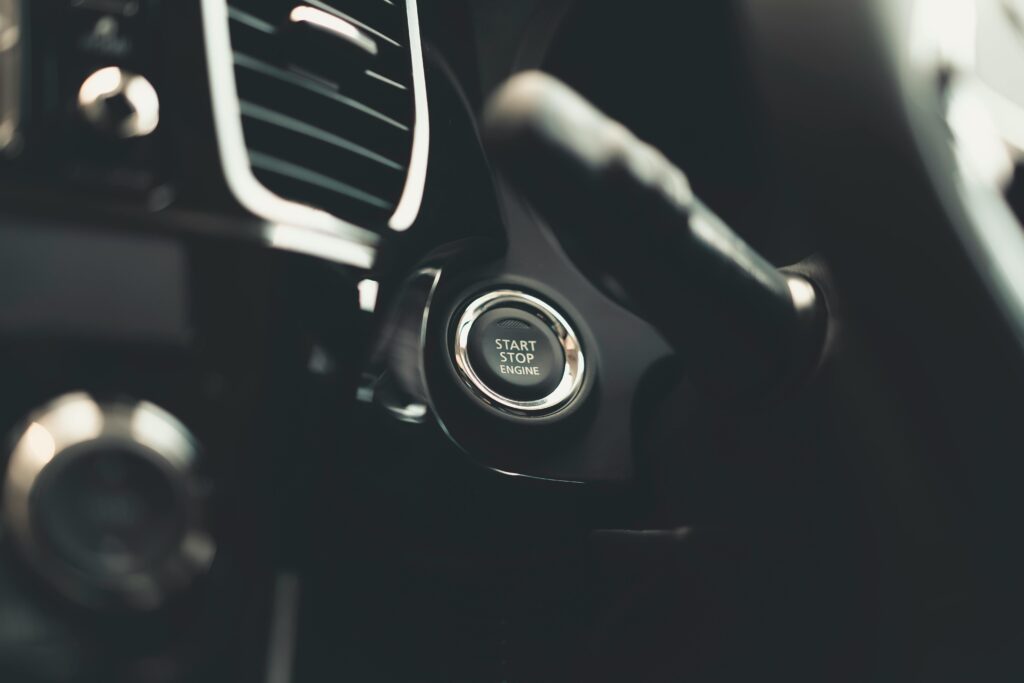
4. Faulty Ignition Switch
The ignition switch controls power delivery to the engine and electrical systems.
A worn ignition switch can suddenly cut power while driving.
Symptoms
- Dashboard lights flicker
- Engine randomly shuts off
- Intermittent electrical problems
Fix
Replace the ignition switch.
5. Engine Overheating
Severe overheating can force the engine to shut down to prevent damage.
Symptoms
- High temperature gauge
- Steam from engine bay
- Coolant leaks
Fix
Inspect the cooling system, radiator, thermostat, and coolant level.
6. Battery Connection Problems
Loose or corroded battery terminals can interrupt electrical power.
Symptoms
- Sudden electrical shutdown
- Flickering dashboard lights
- Difficulty starting
Fix
Clean and tighten battery connections.
7. Faulty Mass Air Flow (MAF) Sensor
A bad MAF sensor can send incorrect airflow information to the engine computer.
Symptoms
- Rough idle
- Engine hesitation
- Random stalling
Fix
Clean or replace the MAF sensor.
8. Fuel Injector Problems
Dirty or failing injectors can interrupt fuel delivery.
Symptoms
- Engine sputtering
- Rough acceleration
- Loss of power before stalling
Fix
Clean or replace faulty injectors.
9. Security System or Immobilizer Issues
Some vehicles shut off the engine if the immobilizer system fails to recognize the key.
Symptoms
- Security warning light
- Engine starts then shuts off
- Intermittent starting issues
Fix
Inspect the key, immobilizer module, and vehicle security system.
Why Does the Engine Shut Off Randomly?
Random shut-offs are usually caused by:
- Electrical interruptions
- Sensor failures
- Overheating
- Weak fuel delivery
Intermittent issues can be difficult to diagnose because they may not happen constantly.
How to Diagnose the Problem
You can check:
- Engine warning lights
- Battery terminals
- Fuel level and fuel pressure
- Engine temperature
- Alternator charging voltage
- Trouble codes using an OBD2 scanner
A professional diagnostic scan may be required for intermittent electrical faults.
Is It Dangerous If the Engine Shuts Off While Driving?
Yes. When the engine stops:
- Power steering becomes harder
- Brake assist may weaken
- The vehicle may lose acceleration suddenly
This can become dangerous in traffic or at highway speeds.
Estimated Repair Costs
| Battery terminal repair | Low |
| Crankshaft sensor replacement | Medium |
| Fuel pump replacement | Medium to High |
| Alternator replacement | Medium to High |
| Ignition switch replacement | Medium |
| Cooling system repair | Medium to High |
How to Prevent Engine Shut Off Problems
- Replace worn sensors early
- Maintain the fuel system
- Check battery connections regularly
- Service the charging system
- Monitor engine temperature
- Fix warning lights immediately
Routine maintenance greatly reduces the risk of unexpected shutdowns.
FAQ
Why does my engine suddenly shut off while driving?
Usually because of fuel delivery problems, electrical failures, or faulty sensors.
Can a bad battery cause the engine to shut off?
Yes. Loose connections or charging problems can interrupt engine operation.
Will a failing fuel pump cause stalling while driving?
Yes. A weak fuel pump may stop fuel delivery completely.
Can overheating shut off the engine?
Yes. Severe overheating may trigger engine protection systems.
Why does my car restart after shutting off?
Some intermittent sensor or electrical problems temporarily recover after restarting.
Is it safe to continue driving if the engine shuts off randomly?
No. Random shutdowns can become dangerous and should be diagnosed immediately.
Conclusion
If your engine shuts off while driving, the problem is usually related to fuel delivery, electrical systems, overheating, or faulty sensors.
Some causes are simple to repair, while others require professional diagnostics. Addressing the issue early can prevent dangerous situations and costly engine damage.