What Is Engine Knocking?
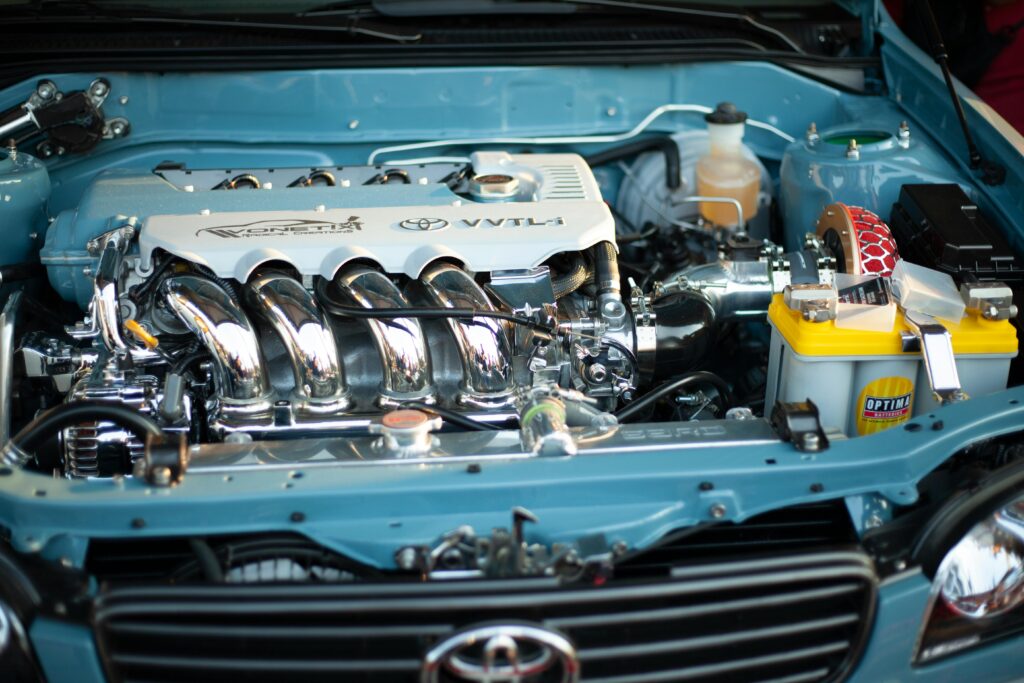
Engine knocking happens when the air-fuel mixture inside the cylinder ignites unevenly instead of burning smoothly.
Normally, combustion occurs in a controlled way. But when fuel detonates too early or irregularly, it creates pressure waves that produce a knocking or pinging sound.
The sound may:
- Increase during acceleration
- Become louder uphill
- Appear under heavy throttle
- Disappear at idle
Common Causes of Engine Knocking
1. Low Octane Fuel
Using fuel with an octane rating lower than recommended can cause premature combustion.
High-compression engines especially require higher-octane fuel to prevent knocking.
Symptoms
- Pinging during acceleration
- Reduced engine performance
- Knocking uphill
Fix
Use the fuel grade recommended in your owner’s manual.
2. Carbon Buildup in the Engine
Carbon deposits can build up inside the combustion chamber over time.
These deposits increase compression and create hot spots that ignite fuel too early.
Symptoms
- Knocking during acceleration
- Rough idle
- Reduced fuel economy
Fix
Use fuel system cleaners or perform a professional carbon cleaning service.
3. Incorrect Ignition Timing
If the spark plug fires too early, fuel detonates before the piston reaches the correct position.
This causes knocking and increases engine stress.
Symptoms
- Engine pinging
- Poor acceleration
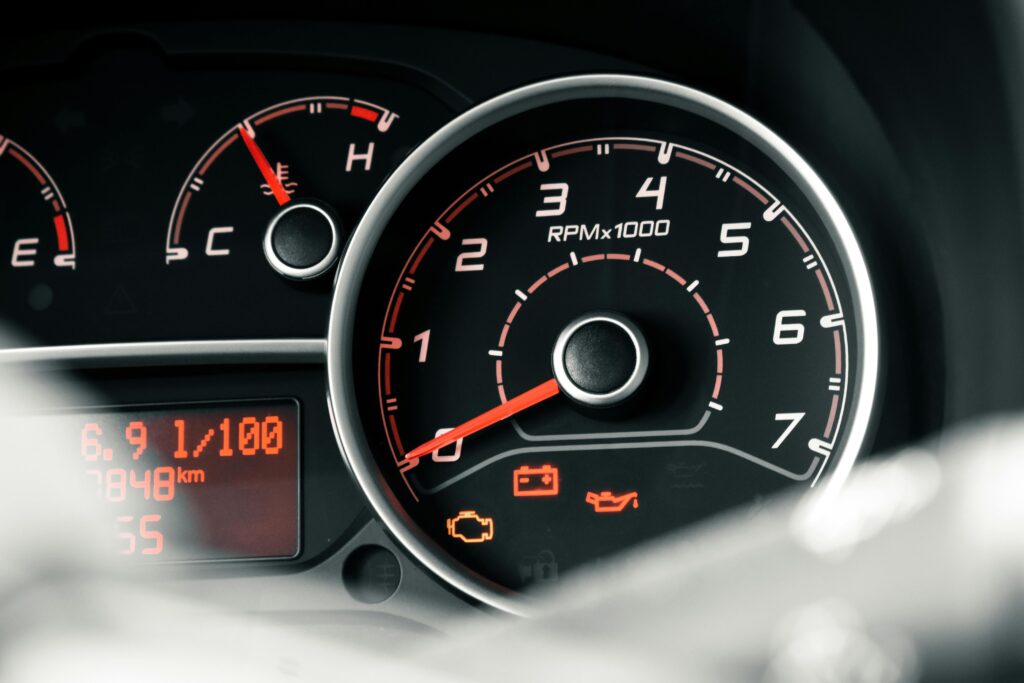
- Check engine light
Fix
A mechanic can adjust ignition timing using diagnostic equipment.
4. Bad Spark Plugs
Worn or incorrect spark plugs can affect combustion efficiency.
Symptoms
- Misfires
- Rough acceleration
- Knocking sounds
Fix
Replace spark plugs with manufacturer-recommended types.
5. Lean Air-Fuel Mixture
A lean mixture means the engine has too much air and not enough fuel.
This increases combustion temperature and can trigger knocking.
Causes
- Vacuum leaks
- Dirty fuel injectors
- Faulty fuel pump
- Bad MAF sensor
Fix
Inspect the fuel and air intake systems.
6. Faulty Knock Sensor
Modern vehicles use knock sensors to detect abnormal combustion and adjust timing automatically.
If the sensor fails, the engine may continue knocking without correction.
Symptoms
- Persistent knocking
- Check engine light
- Poor engine response
Fix
Replace the faulty knock sensor.
7. Overheating Engine
High engine temperatures increase the risk of fuel detonating too early.
Symptoms
- Knocking under load
- High temperature gauge
- Coolant loss
Fix
Inspect the cooling system, radiator, and thermostat.
8. Engine Bearing Damage
A deep knocking sound may indicate worn engine bearings or internal mechanical damage.
This is more serious than normal spark knock.
Symptoms
- Loud metallic knocking
- Knocking at all RPM levels
- Low oil pressure
Fix
Immediate mechanical inspection is required.
How to Diagnose Engine Knocking
You can check for:
- Wrong fuel type
- Engine overheating
- Check engine light
- Oil level and condition
- Vacuum leaks
- Spark plug wear
If the noise continues, a professional diagnostic scan is recommended.
Is Engine Knocking Dangerous?
Yes. Ignoring engine knocking can lead to:
- Piston damage
- Engine overheating
- Reduced fuel economy
- Internal engine failure
Mild knocking may start as a small issue but can become very expensive if ignored.
How Much Does It Cost to Fix?
| Problem | Estimated Cost |
|---|---|
| Fuel upgrade | Low |
| Spark plug replacement | Low |
| Carbon cleaning | Medium |
| Knock sensor replacement | Medium |
| Fuel injector repair | Medium |
| Engine bearing repair | Very High |
How to Prevent Engine Knocking
- Use recommended fuel octane
- Replace spark plugs regularly
- Maintain proper engine cooling
- Clean fuel injectors periodically
- Change engine oil on schedule
- Fix warning lights early
Regular maintenance greatly reduces the risk of knocking.
Frequently Asked Questions
Why does my engine knock only when accelerating?
Because engine load and cylinder pressure increase during acceleration.
Can bad fuel cause engine knocking?
Yes, low-octane or contaminated fuel is a common cause.
Is engine knocking the same as engine ticking?
No. Knocking usually sounds deeper and is related to combustion issues.
Can low oil cause knocking?
Yes, insufficient lubrication can damage engine components and create knocking sounds.
Should I stop driving if my engine knocks?
If the knocking is loud or constant, it’s best to inspect the vehicle immediately.
Can spark plugs fix engine knocking?
Yes, if worn or incorrect spark plugs are causing improper combustion.
Conclusion
If your engine knocks when pressing the gas pedal, the issue is usually related to fuel quality, ignition timing, carbon buildup, or air-fuel imbalance.
Some causes are simple to fix, while others may indicate serious engine damage. Diagnosing the problem early can prevent expensive repairs and keep your engine running smoothly and safely.